



Some flavor combinations earn instant applause. Others take a single sip to silence every doubt. The black milk drink and its surprising pairing with spicy ginger beer firmly belongs to the second category — a bold, visually dramatic duo that challenges expectations and rewards the curious palate with layers of contrast, depth, and balance. If you’ve never considered combining the velvety darkness of black milk with the sharp, fiery fizz of craft ginger beer, this is your sign to start.
What Exactly Is a Black Milk Drink?
Black milk is not a mishap in the dairy aisle. It’s a deliberately crafted beverage that uses dark-pigmented ingredients to create a rich, inky appearance and complex flavor profile. The three most common bases are:
- Activated charcoal milk: The most popular variant in Western wellness culture, made by blending food-grade activated charcoal into dairy or plant-based milk. It produces a striking jet-black color and a neutral, slightly earthy taste.
- Black sesame milk: Rooted in centuries of East Asian culinary tradition — particularly in Japan, Korea, and China — this version carries a deep nuttiness and a natural grey-black hue. It’s prized for its richness in healthy fats, calcium, and antioxidants.
- Black cocoa milk: Made with ultra-dutched cocoa powder, this variant leans into dark chocolate territory, offering bittersweet undertones and a luxurious mouthfeel.
Each brings a distinct personality to the glass. For cocktail-style pairings and visual drama, activated charcoal milk leads the pack. For nutritional depth and tradition, black sesame milk is unmatched. For dessert-forward experiences, black cocoa milk steals the show.
Black Milk Drink and Its Surprising Pairing with Spicy Ginger Beer: Why It Works
The logic behind this pairing reveals itself once you break it down into its core sensory contrasts. Black milk is cool, creamy, and mellow — it coats the palate and softens edges. Spicy ginger beer is fiery, effervescent, and acidic — it cuts through richness and sparks the senses. Together, they create what food scientists call a complementary contrast pairing, where opposing flavor profiles amplify each other rather than cancel out.
Temperature and Carbonation Play
Serving chilled black milk alongside a well-carbonated ginger beer creates a thermodynamic effect in the glass: the cold creaminess tempers the ginger’s heat just enough to make it approachable, while the tight carbonation lifts the viscosity of the milk, preventing the drink from feeling heavy. The result is a float-like experience — light and fizzy on top, smooth and dark beneath.
Fat Meets Acid
Full-fat dairy or creamy oat milk contains enough lipid content to neutralize the acidic sharpness of fermented ginger beer. This is the same principle behind pairing blue cheese with honey or cream sauces with lemon — fat and acid don’t fight, they negotiate. In this drink, that negotiation produces a rounded, lingering finish rather than a harsh one.
Sugar Balance
Many commercial ginger beers carry a significant sugar load — anywhere from 20g to 35g per can. Pairing them with unsweetened or lightly sweetened black milk brings that sweetness into proportion, allowing the ginger’s natural spice compounds (primarily gingerol and shogaol) to express themselves fully without being masked by sugar.
The Nutritional Case for This Unusual Combination
Beyond the flavor experience, this pairing carries some genuinely interesting nutritional angles — provided you approach it with awareness.
Ginger’s Bioactive Power
Ginger beer made with real cold-pressed ginger juice delivers a meaningful dose of gingerol, a bioactive compound with well-documented anti-inflammatory and digestive properties. Studies published in the Journal of Ethnopharmacology have confirmed ginger’s efficacy in reducing nausea, supporting gut motility, and moderating inflammatory markers. A high-quality spicy ginger beer is, in its own way, a functional beverage.
Activated Charcoal: Honest Assessment
Activated charcoal is frequently marketed as a detox agent, but the science in culinary contexts is nuanced. While medical-grade charcoal is used in poison control settings, the amounts in food and drink are far too small to produce measurable detox effects. More importantly, excessive consumption can interfere with the absorption of certain medications and nutrients. Use it for the aesthetic and textural experience — not as a health cure.
Plant-Based Milk Advantage
Opting for oat or almond milk as your black milk base keeps the drink low in saturated fat and lactose-free, reducing digestive friction — particularly when combined with ginger’s gut-soothing properties. Oat milk also contributes beta-glucan fiber, which supports healthy cholesterol levels.
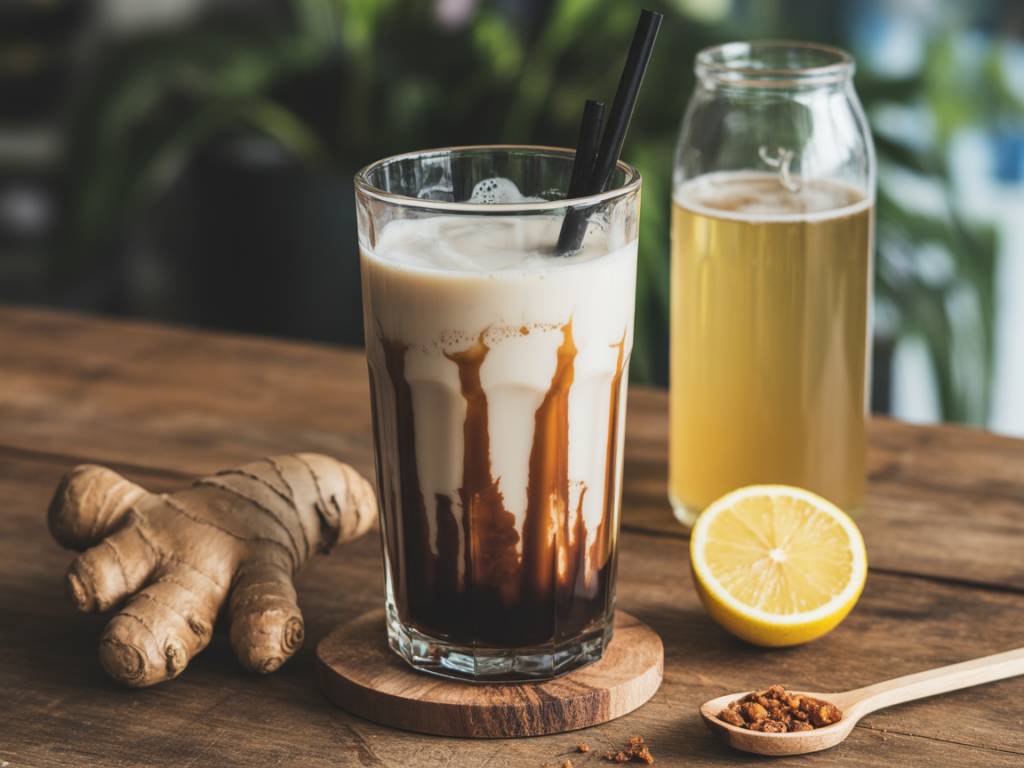
The Ginger Shadow Float: A Recipe Worth Making
This home-tested recipe captures the essence of the black milk and spicy ginger beer pairing in a single, stunning glass. It’s non-alcoholic, visually arresting, and genuinely delicious.
Ingredients
- 150ml chilled black milk (activated charcoal blended with oat milk works best)
- 100ml high-quality spicy ginger beer with real ginger juice
- 1 scoop black sesame ice cream or coconut charcoal gelato (optional but highly recommended)
- A pinch of finely chopped crystallized ginger
- Ice cubes
Method
- Fill a highball glass with ice and pour in the chilled black milk.
- Slowly pour the ginger beer over the back of a spoon to preserve the layered effect — it will fizz dramatically, and that’s entirely intentional.
- Gently add the ice cream scoop, allowing it to melt partially into the layers.
- Finish with a pinch of crystallized ginger for texture, heat, and visual contrast.
The outcome is a smoky, spicy-sweet float with a finish that lingers — bold enough to be memorable, balanced enough to want a second glass.
Choosing the Right Ginger Beer for This Pairing
The quality of the ginger beer determines the success of this combination. Not all ginger beers are built alike — many rely on artificial ginger flavoring and excessive sugar, which will overwhelm the subtlety of the black milk. Look for these non-negotiable characteristics:
- Real ginger juice: Cold-pressed is ideal; it preserves the full spectrum of volatile compounds responsible for ginger’s signature heat.
- Low added sugar: Target ginger beers with under 15g of sugar per serving, or choose naturally fermented varieties sweetened with raw honey or cane juice.
- Assertive carbonation: Fine, persistent bubbles work better than aggressive fizz — they integrate with the milk rather than disrupting it.
- Genuine spice level: You want a noticeable bite, not a whisper of warmth.
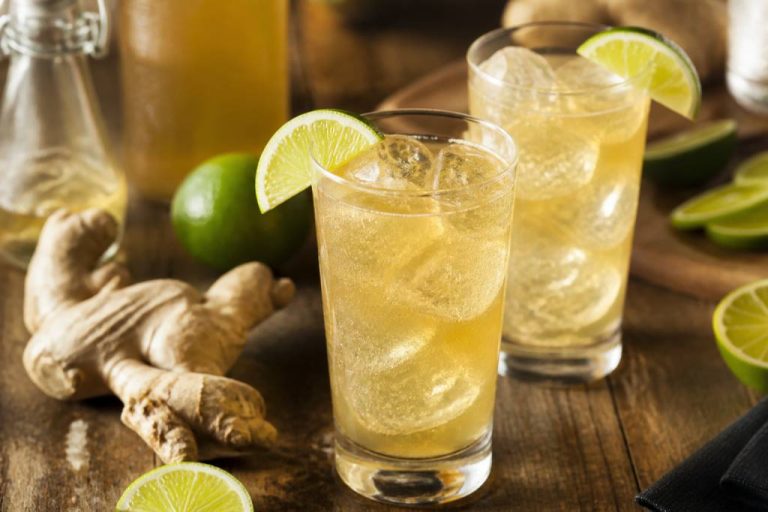
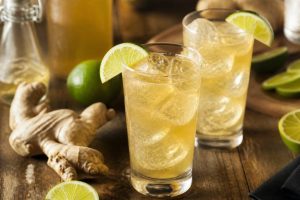
Standout options include Bruce Cost Unfiltered Ginger Beer for its raw intensity, Fever-Tree Premium Ginger Beer for its clean spice profile, and homemade brews using fresh ginger root, lemon juice, and a live ginger bug starter for full fermentation complexity.
Creative Variations to Push the Pairing Further
Once the base pairing clicks, experimentation becomes irresistible. Here are variations that work particularly well:
- Smoky cocktail version: Add a 30ml pour of dark rum or smoky mezcal to create an adult take on the « Dark & Stormy » — with a moody black milk twist.
- Herbal dimension: Cold-steep the black milk with Thai basil or fresh tarragon before combining — the botanical note bridges the creaminess and the ginger’s heat beautifully.
- Cold brew boost: A 30ml shot of cold brew coffee deepens the dark flavors and adds a caffeine kick, turning this into a morning-worthy functional drink.
- Tropical layer: A tablespoon of tamarind paste or fresh pineapple purée introduces a sweet-sour complexity that echoes Southeast Asian flavor traditions and pairs brilliantly with spicy ginger beer.
- Black sesame upgrade: Swap activated charcoal milk for homemade black sesame milk — the nutty depth creates an entirely different, more umami-forward experience with the ginger spice.
Why This Trend Is More Than a Visual Gimmick
It would be easy to dismiss the black milk drink and its surprising pairing with spicy ginger beer as pure aesthetics — a drink engineered for Instagram rather than taste. That dismissal would be a mistake. The color is the hook, yes. But the flavor logic is sound, the cultural roots are deep, and the versatility of the pairing gives it genuine staying power on any creative beverage menu.
Non-alcoholic drinks are no longer the afterthought of the drinks world. As the sober-curious movement continues to grow — with the global non-alcoholic beverage market projected to exceed $1.6 trillion by 2025 — pairings like this one prove that complexity, sophistication, and sensory excitement don’t require a drop of alcohol. They require curiosity, quality ingredients, and a willingness to let contrast do the heavy lifting.
Whether you’re building a craft beverage menu, experimenting at home, or simply looking for your next unexpected obsession — the dark, creamy world of black milk drinks and the fiery spark of spicy ginger beer are waiting. The only question is: how bold is your palate?