



Why ginger beer works so well in cocktails
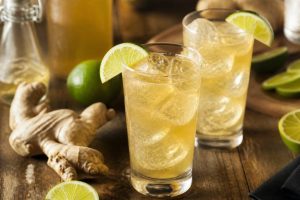
Ginger beer is one of those ingredients that looks simple on paper and then quietly changes everything in the glass. It brings sweetness, acidity, carbonation, and that unmistakable ginger heat all at once. In mixology terms, that makes it unusually versatile: it can act as a mixer, a flavor amplifier, and a bridge between spirits, citrus, herbs, and even savory notes.
What makes ginger beer different from ginger ale? In practical terms, ginger beer is usually bolder, spicier, and less perfumed. Ginger ale tends to be lighter and sweeter, while ginger beer is built to stand up to dark spirits, fresh lime, and strong aromatics. If a cocktail needs structure, ginger beer often delivers it.
From a flavor perspective, the best ginger beers fall somewhere between bright citrus, earthy ginger root, and a dry finish that keeps the drink from becoming syrupy. That balance matters. Too sweet, and the cocktail becomes flat. Too weak, and the ginger disappears under the base spirit. The sweet spot is where the spice lifts the drink without burning the palate.
A useful mental model: ginger beer behaves a bit like an active ingredient rather than a passive mixer. It shapes the final profile, not just the texture. That is why it appears in classics, tropical drinks, brunch cocktails, and low-ABV serves alike. One bottle can pull a whole recipe into focus.
How to think about flavor profiles before you pour
Before mixing, it helps to decide what role ginger beer should play. Is it the main character, or is it supporting another ingredient? A cocktail can lean in several directions depending on the ginger beer style you choose.
- Bright and crisp: Works well with vodka, gin, white rum, cucumber, mint, and fresh citrus.
- Deep and spicy: Pairs beautifully with dark rum, whiskey, bourbon, and smoky notes.
- Sweet and rounded: Best for approachable crowd-pleasers, especially when balancing tart lime or lemon juice.
- Dry and peppery: Ideal if you want a more adult, less candy-like finish.
As a rule of thumb, the more subtle the base spirit, the more important it is to choose a ginger beer with character. A clean vodka cocktail needs more help from the mixer. A robust aged rum can carry a slightly sweeter or heavier ginger beer without collapsing into dessert territory.
Also consider the rest of the recipe. Ginger has natural affinity with citrus because acidity sharpens its freshness. It also works with herbs like mint and basil, which add lift, and with warm spices such as cinnamon, clove, and allspice, which deepen the profile. If you ever wondered why so many ginger beer cocktails feel both refreshing and cozy, that’s the chemistry doing its job.
Classic cocktails built on ginger beer
Some drinks became famous partly because ginger beer provides exactly the right backbone. These are reliable, easy to understand, and still worth making carefully. A good classic is rarely about complexity; it is about balance.
Moscow Mule
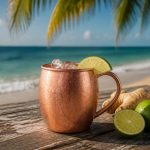
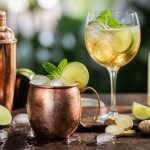
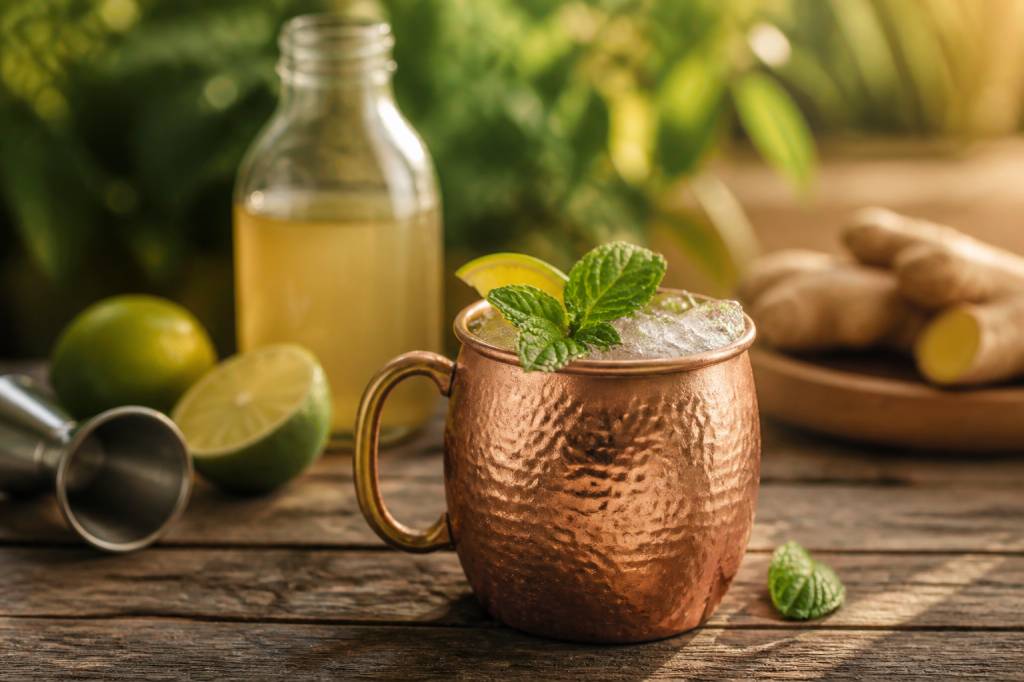
The Moscow Mule is the benchmark ginger beer cocktail. Vodka, lime juice, and ginger beer create a simple structure that depends almost entirely on ingredient quality. If your ginger beer is too sweet, the drink loses tension. If it is too timid, the cocktail tastes like soda with alcohol.
A solid version:
- 2 oz vodka
- 0.5 oz fresh lime juice
- 4 to 6 oz ginger beer
- Ice
- Lime wheel or mint sprig for garnish
Build in a chilled copper mug or highball glass over ice, add the vodka and lime, then top with ginger beer. Give it a gentle stir. The key is restraint. Over-stirring kills the bubbles, and nobody wants a flat mule. Small tragedy, big disappointment.
Dark and Stormy
Few cocktails showcase ginger beer and rum as naturally as the Dark and Stormy. The combination of spicy ginger and molasses-rich dark rum creates a layered drink that feels both refreshing and substantial. The visual contrast is part of the charm: dark spirit floating over pale ginger beer.
Classic build:
- 2 oz dark rum
- 4 to 5 oz ginger beer
- 0.5 oz lime juice, optional but recommended
- Ice
Use a well-structured rum with caramel, vanilla, and oak notes. The ginger beer should be assertive enough to cut through the sweetness of the rum. Add lime if you want more brightness and a less heavy finish. Technically, the name “Dark and Stormy” is tied to a specific rum brand, but the flavor logic works with many aged rums.
Mexican Mule
This is the tequila version of the mule family, and it is better than many people expect. Tequila brings earthy agave notes that connect surprisingly well with ginger’s sharp spice. Blanco tequila gives a crisp, green profile; reposado adds softness and light oak.
Suggested formula:
- 2 oz blanco tequila
- 0.75 oz fresh lime juice
- 4 to 6 oz ginger beer
- Salt rim optional
A light salt rim can be useful here because it amplifies lime and rounds out bitterness. Just keep it subtle. The goal is not a margarita in disguise, but a cleaner, more mineral interpretation with ginger snap.
Best spirits and flavor pairings with ginger beer
When experimenting, the spirit you choose should answer one question: what does the ginger beer need from the base? Sometimes it needs sweetness, sometimes structure, sometimes aromatic depth.
- Vodka: The most neutral option. Great for showcasing the ginger beer itself.
- Gin: Excellent with botanical or citrus-forward ginger beers. Juniper, coriander, and ginger can play nicely together.
- Rum: Probably the most natural partner. Light rum gives lift; aged rum gives depth.
- Tequila: Works best with fresh lime and a drier ginger beer.
- Whiskey: Bourbon adds vanilla and sweetness; rye adds pepper and grip.
- Mezcal: Smoky, earthy, and intense. Use a ginger beer with enough bite to keep up.
Among these, whiskey and ginger beer deserve special attention. A rye-and-ginger combination is especially effective because both ingredients carry peppery, spicy qualities. Bourbon, on the other hand, creates a softer and more rounded drink, especially if you want something closer to a highball than a punchy sour.
Creative recipes worth trying at home
Once you know the basics, ginger beer becomes a canvas. The following drinks are easy to build, but each one shows a different side of the ingredient.
Ginger Beer Paloma
This version swaps the usual soda top-up for ginger beer, which adds more depth than sparkling water and a sharper finish than grapefruit soda alone.
- 2 oz blanco tequila
- 1 oz fresh grapefruit juice
- 0.5 oz fresh lime juice
- 3 to 4 oz ginger beer
- Pinch of salt
Shake the tequila, grapefruit juice, lime juice, and salt with ice, strain into a glass over fresh ice, and top with ginger beer. The result is bright, aromatic, and slightly more complex than the standard Paloma. If your ginger beer is very sweet, reduce the grapefruit slightly to keep the drink balanced.
Whiskey Ginger Smash
This one leans into fresh herbs and citrus, making it ideal when you want something that feels lively rather than heavy.
- 2 oz bourbon or rye
- 0.75 oz lemon juice
- 0.5 oz simple syrup
- 6 to 8 mint leaves
- 3 to 4 oz ginger beer
Lightly muddle the mint with lemon juice and syrup, add whiskey and ice, then top with ginger beer. If using rye, the peppery notes sharpen the profile. If using bourbon, expect a rounder, slightly sweeter drink. Either way, mint keeps the ginger from feeling overly dense.
Spiced Pineapple Ginger Cooler
This is a good example of how ginger beer can support tropical flavors without making the drink feel juvenile.
- 1.5 oz aged rum
- 1 oz pineapple juice
- 0.5 oz lime juice
- 3 oz ginger beer
- Dash of Angostura bitters
Build over ice and garnish with a pineapple leaf or lime twist. Pineapple adds sweetness and body; lime keeps it crisp; bitters add structure. The ginger beer provides the spine. That’s the pattern to remember.
Mixing tips that make a real difference
Great ginger beer cocktails are not difficult, but they reward precision. A few small decisions can improve the drink more than adding another ingredient ever will.
- Use fresh citrus: Bottled lime juice often tastes dull or metallic, and ginger beer exposes that weakness immediately.
- Chill everything: Spirit, glass, and ginger beer all benefit from being cold. Warm ingredients flatten carbonation and mute spice.
- Add ginger beer last: This preserves bubbles and gives you better control over sweetness and intensity.
- Stir gently: One or two soft turns are enough. Think “combine,” not “agitate.”
- Balance sweetness carefully: If the ginger beer is already sweet, reduce simple syrup or sweet liqueurs elsewhere in the recipe.
- Choose the right glass: Highball, Collins, and copper mugs all work well because they support carbonation and aroma.
One often overlooked factor is ice. Large, solid cubes melt more slowly and help maintain flavor concentration. Crushed ice is useful in certain summer-style drinks, but it can dilute ginger beer cocktails faster than expected. If a recipe tastes perfect for the first three sips and then collapses, ice may be the culprit.
How to pair garnishes with ginger beer cocktails
Garnish is not decoration. In ginger beer cocktails, it is usually part of the aroma strategy. Because ginger already brings a lot of sensory impact, the garnish should either echo it or add contrast.
- Lime wheel or wedge: The safest and most effective choice.
- Mint sprig: Adds freshness and coolness, especially in highball-style drinks.
- Grapefruit peel: Brilliant with tequila or mezcal.
- Candied ginger: Useful when you want to signal sweetness and reinforce the ginger note.
- Cucumber ribbon: Ideal for lighter, more refreshing serves with gin or vodka.
- Cinnamon stick: Best for autumn or winter variations with rum or whiskey.
For a more technical approach, think in three layers: aroma on the nose, taste on the palate, and finish after the sip. A lime garnish lifts the nose, a mint sprig cools the palate, and a piece of candied ginger lengthens the finish. Small details, big effect.
Common mistakes to avoid
Even a simple ginger beer cocktail can go sideways if a few basics are ignored. The good news is that most mistakes are easy to fix once you know what to watch for.
- Using a ginger beer that is too sweet: This masks the spirit and clogs the finish.
- Adding too much syrup or liqueur: Ginger beer already brings sweetness; let it do its job.
- Choosing a base spirit with no plan: Match the spirit to the desired texture and finish.
- Serving it flat: Carbonation is not optional here. It is part of the drink’s architecture.
- Ignoring acidity: Lime or lemon often makes the difference between “fine” and “repeatable.”
A simple test helps: if the first sip tastes pleasant but slightly one-dimensional, add a small amount of acid. If it tastes energetic but harsh, add a touch more sweetness or choose a rounder ginger beer. Cocktail balancing is less about memorizing formulas than about adjusting in small, deliberate steps.
What to look for when choosing a ginger beer
Not all ginger beers behave the same in cocktails. When selecting one for mixing, check a few practical markers: spice level, sugar content, carbonation strength, and ingredient clarity. Some brands taste excellent on their own but disappear in cocktails. Others are too sharp to drink solo but ideal in a mixed serve.
If you are building a home bar, it is worth keeping two styles on hand:
- A bold, spicy ginger beer: Best for whiskey, rum, and mezcal.
- A cleaner, brighter ginger beer: Best for vodka, gin, and lighter citrus cocktails.
This small adjustment gives you much more flexibility. It also helps when entertaining, because guests rarely want the exact same intensity in every drink. Some prefer a soft, refreshing profile; others want ginger with a bit of attitude.
At its best, ginger beer is not just a mixer. It is a design tool for flavor, texture, and balance. That is why it continues to show up in classic recipes and contemporary serves alike. If you understand how it interacts with spirit strength, acidity, sweetness, and carbonation, you can build drinks that feel polished without becoming complicated.
And that is the real appeal: a few well-chosen ingredients, a little restraint, and a mixer that knows how to carry its weight. Ginger beer does exactly that.