

Australia has a distinctive soft-drink culture: bright citrus flavours, bold carbonation, nostalgic labels and a strong appreciation for drinks that perform well over ice. Among the country’s fizzy favourites, ginger beer holds a special place. It can be sweet or fiery, traditional or modern, alcohol-free or used as the backbone of a refreshing cocktail.
But ginger beer is only one part of the Australian beverage landscape. Lemonade, lemon squash, creaming soda, cola and fruit-based drinks have all shaped the way Australians enjoy a cold, carbonated refreshment. What makes these drinks interesting is not simply their sweetness. It is the balance between acidity, spice, aroma, texture and temperature.
In this guide, we will explore the most popular Australian fizzy drinks, explain how ginger beer differs from ginger ale, and share practical ways to taste, serve and mix them at home.
Why Australian fizzy drinks are so refreshing
Australia’s climate has influenced its drinking habits. On a hot day, a chilled carbonated drink delivers several sensations at once: coldness, acidity, sweetness and the gentle bite of dissolved carbon dioxide. That combination creates a more vivid experience than still juice or water alone.
Carbonation also changes how flavour is perceived. When bubbles burst on the tongue, they help carry volatile aromas toward the nose. This can make citrus zest, ginger oils and herbal notes seem more pronounced. The result is a drink that feels lively, even when the recipe is relatively simple.
Australian soft drinks often lean into this sense of intensity. Lemonade tends to be bright and crisp, creaming soda is aromatic and sweet, while ginger beer brings warmth and spice. Served in a glass filled with ice, each style offers a different form of refreshment.
Australian ginger beer: sweet, spicy and versatile
Ginger beer is traditionally associated with fermented ginger, sugar and water. Historically, natural fermentation produced both carbonation and a small amount of alcohol. Most commercial ginger beers sold today are non-alcoholic soft drinks, carbonated during production and formulated for consistent flavour and shelf stability.
The central ingredient is ginger, but the taste can vary considerably. Some products are gentle and sugary, with a soft ginger aroma. Others have a sharper profile, combining fresh ginger heat with citrus peel, peppery spice or a dry finish. Two drinks carrying the same name can therefore behave very differently in a glass.
When tasting an Australian ginger beer, look for four characteristics:
- Sweetness: Is the sugar prominent, or does the drink finish relatively dry?
- Ginger intensity: Does the flavour resemble fresh ginger, candied ginger or ginger extract?
- Acidity: A touch of citrus-like acidity can prevent the drink from feeling heavy.
- Carbonation: Fine, persistent bubbles usually create a smoother mouthfeel than large, rapidly disappearing bubbles.
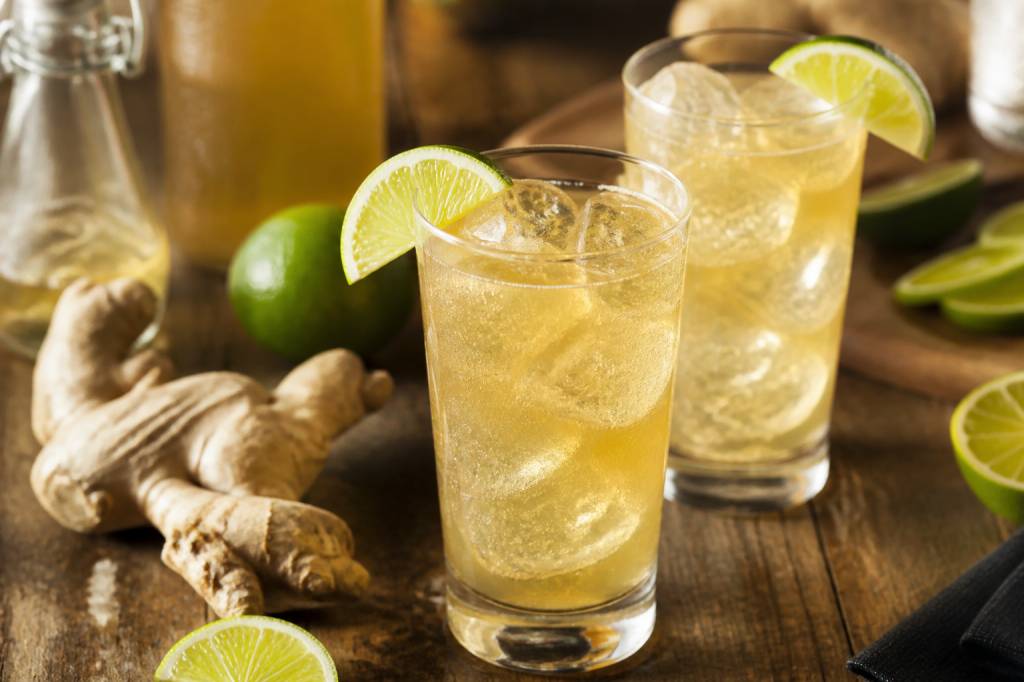
Ginger beer is excellent on its own, but its real strength is versatility. It can be poured over ice with a wedge of lime, paired with fresh mint, or used in a classic cocktail such as the Moscow Mule. It also works well with grilled foods, spicy dishes and rich desserts because ginger can cut through fatty flavours and refresh the palate.
Ginger beer versus ginger ale
The names are often used interchangeably, but ginger beer and ginger ale are not identical. In broad terms, ginger beer usually has a stronger ginger character and a more pronounced spicy finish. Ginger ale is generally lighter, sweeter and more delicate, with a flavour profile designed to be easy-drinking.
There is also a production difference in traditional recipes. Ginger beer was historically fermented, while ginger ale was developed as a carbonated soft drink. Modern commercial products do not always follow these old distinctions, so the label and ingredient list remain the best guides.
For cocktails, the choice matters. A light ginger ale can add gentle sweetness and bubbles without dominating other ingredients. A spicy ginger beer brings more structure and is better suited to drinks where ginger is intended to be the main flavour.
A simple comparison at home is easy. Chill both drinks thoroughly, pour them into identical glasses and taste them without food. Notice the aroma first, then the initial sweetness, the ginger heat and the length of the finish. It is a small experiment, but it quickly reveals why bartenders choose one over the other.
Classic Australian fizzy drinks worth knowing
Lemonade
Australian lemonade is typically a clear, sweet, citrus-flavoured soft drink with lively carbonation. It is often served very cold and is a familiar choice at barbecues, cafés and family gatherings.
Its clean acidity makes it useful in mixed drinks. Lemonade can lengthen a fruit punch, soften the bitterness of certain aperitifs or add sparkle to a simple combination of fresh berries and herbs. For a less sugary serve, combine it with chilled soda water and a generous squeeze of lemon.
Lemon squash
Lemon squash is another Australian favourite, although the name can cause confusion for visitors. In Australia, it generally refers to a carbonated lemon soft drink rather than the concentrated syrup associated with the word “squash” in some other countries.
Its flavour is usually more citrus-forward than standard lemonade. It can be enjoyed alone, mixed with soda water or paired with ginger beer for a sharper, more complex highball. Try equal parts lemon squash and ginger beer over ice, then add a thin slice of fresh ginger.
Creaming soda
Creaming soda is known for its sweet vanilla-style aroma and striking colour, which may range from pale pink to vivid red depending on the brand. Despite its name, it does not necessarily contain dairy. The “cream” reference generally describes a smooth, vanilla-like flavour rather than a milky ingredient.
Its sweetness makes it especially popular as an indulgent treat. To create a more balanced serve, pour it over plenty of ice and add a small amount of soda water. A scoop of vanilla ice cream turns it into a classic ice-cream float, best enjoyed slowly unless you want a fizzy overflow on the kitchen bench.
Cola
Cola remains one of the most widely recognised carbonated drinks in Australia. Its flavour combines sweetness, acidity, caramel notes and a blend of spices or botanical extracts. Different brands can vary in their balance, with some tasting more citrusy and others more caramel-driven.
Cola is commonly served chilled, but it also has a role in mixology. It pairs naturally with lime, bourbon-style spirits and aromatic bitters. A small amount of ginger syrup can add warmth without turning the drink into a full ginger cocktail.
Fruit-flavoured fizzy drinks
Orange, raspberry and other fruit-flavoured carbonated drinks are popular for their colour and immediate sweetness. They are particularly useful in party punches, but they can become cloying when served without acidity.
Fresh citrus juice is the simplest corrective. Add a squeeze of lime or lemon, use large pieces of ice and garnish with fresh fruit rather than additional syrup. The goal is not to remove sweetness entirely, but to give it definition.
How to choose a better ginger beer
“Better” depends on how you intend to drink it. A soft, sweet ginger beer may be ideal for children, casual sipping or dessert pairing. A drier, spicier version is usually more effective in cocktails because it contributes flavour rather than just sugar.
Start with the ingredient list and nutrition panel. Sugar content can differ substantially between products, so compare serving sizes carefully. A standard serving is not always the same volume from one bottle to another. If you are monitoring sugar intake, consider a reduced-sugar version or dilute a regular ginger beer with sparkling water.
Also check whether the drink is described as fermented, brewed or simply carbonated. These terms can provide clues about production, although they do not guarantee a particular flavour. Some modern drinks use fermentation for complexity, while others use carbonation and natural or artificial flavours for consistency.
Packaging can offer useful information too. Glass bottles often suggest a premium positioning, but the container alone does not determine quality. The most reliable test is sensory: aroma, balance, carbonation and finish.
Three easy ways to serve Australian ginger beer
The classic lime serve
- Fill a tall glass with large ice cubes.
- Add 150 to 200 millilitres of chilled ginger beer.
- Squeeze in half a fresh lime and drop the wedge into the glass.
- Stir once, gently, to preserve the carbonation.
This serve is simple because the lime adds acidity without competing with the ginger. For extra aroma, rub a strip of lime peel around the rim before adding it as a garnish.
The ginger and mint cooler
- Place six to eight mint leaves in a glass.
- Add a few thin slices of fresh ginger and a teaspoon of lime juice.
- Press lightly with a muddler or the back of a spoon.
- Fill the glass with ice and top with ginger beer.
Avoid crushing the mint too aggressively. Excessive muddling can release bitter vegetal notes. The aim is to release fragrance, not turn the leaves into a paste.
The Australian-style ginger highball
- Add 45 millilitres of a spirit such as whisky, dark rum or vodka to a tall glass.
- Pour in 120 to 150 millilitres of spicy ginger beer.
- Add a squeeze of lime and plenty of ice.
- Garnish with ginger, lime or a small sprig of rosemary.
Whisky brings oak and spice, dark rum contributes caramel and dried-fruit notes, while vodka keeps the ginger beer at the centre of the drink. Adjust the amount of spirit according to the occasion; a good highball should remain refreshing rather than taste like a glass of straight alcohol.
Food pairings: what works best?
Ginger beer’s sweetness and spice make it a surprisingly flexible food companion. With grilled chicken or pork, its warmth echoes caramelised flavours from the barbecue. With fried foods, carbonation and acidity help refresh the palate between bites.
It also pairs well with dishes containing chilli, although the combination requires balance. A very spicy meal and an intensely hot ginger beer may overwhelm the senses. In that case, choose a sweeter, milder style and serve it very cold.
For dessert, try ginger beer with citrus tart, lemon cheesecake, vanilla ice cream or spiced cake. The drink’s bubbles lighten rich textures, while ginger adds a bridge between fruit, cream and baking spices.
A note on alcohol, sugar and responsible enjoyment
Most commercial ginger beers in Australia are non-alcoholic, but labels should still be checked, particularly when buying products described as “brewed” or “fermented”. Alcohol content can vary between brands and styles.
Soft drinks are also a source of free sugars. Enjoying a glass occasionally is different from drinking large quantities every day, but portion size remains relevant. Pouring ginger beer into a smaller glass, choosing a reduced-sugar option or mixing it with sparkling water can help manage sweetness while preserving the drink’s aroma and carbonation.
For anyone with specific dietary requirements, read the label for allergens, sweeteners and additives. Ginger itself is widely used in food and beverages, but individual tolerance can vary, especially when concentrated extracts are involved.
Build your own Australian fizzy-drink tasting
To explore these drinks properly, organise a small tasting with four or five chilled samples: a mild ginger beer, a spicy ginger beer, lemonade, lemon squash and creaming soda. Use identical glasses and pour the same volume of each drink.
Record the aroma, sweetness, acidity, carbonation and finish. Then taste each drink with a neutral food such as plain crackers. Finally, repeat the tasting with lime, mint or a small amount of soda water. You may find that a drink you considered too sweet becomes more balanced when diluted, or that a fiery ginger beer performs brilliantly in a cocktail.
That is the appeal of Australian fizzy drinks. They are familiar enough to evoke a childhood barbecue, yet varied enough to reward close attention. Whether you choose a classic lemonade, a colourful creaming soda or a bottle of bold ginger beer, the best serve is the one that matches the moment—and leaves your palate ready for another refreshing sip.