


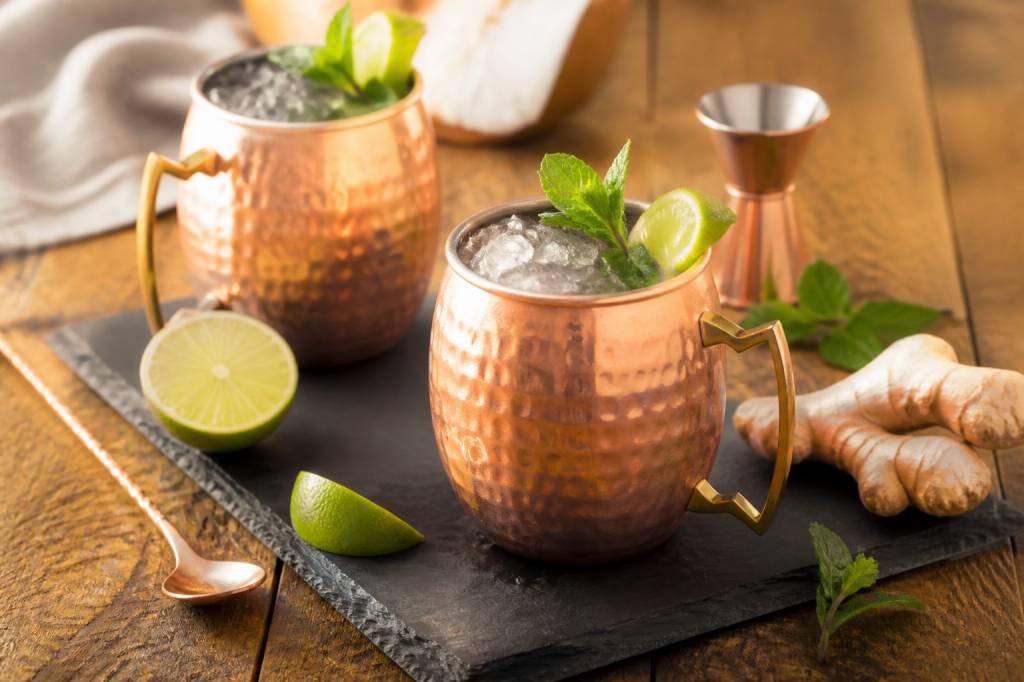
Why ginger beer works so well in cocktails
Ginger beer has a rare talent in mixology: it can be both the backbone and the finishing touch of a drink. Its signature profile brings heat, sweetness, acidity, and a deep ginger aroma in one pour. That makes it far more versatile than a simple fizzy mixer.
From a technical point of view, ginger beer does three important jobs in a cocktail. First, it adds carbonation, which lifts aromas and gives the drink a lively texture. Second, it contributes sweetness, usually enough to balance tart ingredients like lime or grapefruit. Third, it brings spice, which can replace or support ingredients such as bitters, fresh ginger, chili, or herbs.
If you have ever felt that a cocktail was “flat” even though the recipe looked correct, ginger beer may be the missing piece. It brings energy. It also pairs beautifully with a wide range of spirits, which is why it appears in everything from classic highballs to more adventurous seasonal drinks.
What to look for in a good ginger beer
Not all ginger beers perform the same way in cocktails. Some are bright and dry, others are sweeter and syrupy, and the ginger intensity can range from gentle warmth to a full throat punch. Choosing the right one matters.
A good cocktail ginger beer should have a clear ginger character, enough carbonation to stay lively in the glass, and a sweetness level that matches the rest of the recipe. If the mixer is too sweet, it can bury the spirit. If it is too dry, the drink may feel sharp or thin unless you compensate with citrus or syrup.
When testing different brands, pay attention to three things:
- Ginger intensity: does it taste like fresh ginger or more like candy?
- Sweetness balance: does it support the spirit or overwhelm it?
- Fizz persistence: does it stay sparkling long enough for the last sip?
One practical rule: for drinks built on darker spirits like rum, bourbon, or aged tequila, a bolder ginger beer usually works best. For lighter spirits such as vodka or gin, a more restrained and citrus-friendly version can be more elegant.
A few mixing principles that save cocktails from mediocrity
Before getting into recipes, it helps to understand how ginger beer behaves in a glass. Because it is carbonated, you should add it last and stir gently, if at all. Too much stirring knocks out the fizz, and nobody orders a ginger beer cocktail hoping for a flat ginger regret.
Temperature also matters. A very cold base keeps carbonation sharper and slows dilution. That is why chilling your glass, spirit, and citrus juice can make a noticeable difference in the final result.
Finally, remember that ginger beer is already a flavor component, not just a filler. If you use it in a large volume, reduce the amount of sugar elsewhere in the recipe. Many beginner cocktails go wrong because they combine ginger beer with too much syrup, creating a drink that tastes heavy instead of refreshing.
Classic Moscow Mule with a sharper ginger profile
The Moscow Mule is the most recognizable ginger beer cocktail for a reason. It is simple, refreshing, and easy to adapt. The classic formula is vodka, lime juice, and ginger beer, usually served over ice in a copper mug or a highball glass.
Here is a reliable version:
- 50 ml vodka
- 20 ml fresh lime juice
- 120 to 150 ml ginger beer
- Ice cubes
- Lime wedge for garnish
Build the drink in a chilled glass filled with ice. Add vodka and lime juice, then top with ginger beer. Stir very gently once, just enough to integrate the ingredients. Garnish with lime.
If you want more structure, choose a ginger beer with a dry finish and a strong spicy note. If you want a softer, more accessible version, use a slightly sweeter ginger beer and add a touch more lime. That small adjustment can transform the balance from “pleasant” to “keep this recipe.”
Dark rum and ginger beer: a natural pairing
Rum and ginger beer are one of those combinations that seem to have been invented by a very happy accident and then improved by generations of bartenders. The molasses notes in dark rum echo the caramel warmth of ginger beer, while citrus keeps the drink fresh.
A simple dark rum ginger highball works well for both casual serving and larger batches:
- 50 ml dark rum
- 15 ml fresh lime juice
- Optional: 5 ml demerara syrup if the rum is very dry
- 120 ml ginger beer
- Ice
- Lime wheel or mint sprig
This drink benefits from a ginger beer with enough body to stand alongside the rum. If your rum is heavily aged or slightly smoky, the ginger can bring out hidden spice notes in the spirit. If you have ever tasted the drink and thought it needed “one more layer,” a dash of aromatic bitters can add depth without making it complicated.
Ginger beer and tequila: bright, punchy, and underrated
Tequila and ginger beer deserve more attention than they usually get. The earthy, peppery side of tequila works beautifully with ginger’s heat, especially when lime or grapefruit is involved. This is an excellent route if you want something more expressive than a standard Margarita but still easy to prepare.
Try this tequila ginger beer cocktail:
- 45 ml blanco tequila
- 15 ml fresh lime juice
- 15 ml grapefruit juice
- 120 ml ginger beer
- Ice
- Grapefruit peel or chili-salt rim, optional
The grapefruit adds bitterness and a citrus edge that keeps the drink lively. A chili-salt rim can be excellent here, but use it with restraint. If the rim is too aggressive, it dominates the sip instead of supporting it. The goal is balance, not a mouthful of seasoning.
For a more herbal version, add a small amount of agave syrup and garnish with coriander leaves or a thin cucumber ribbon. That combination works especially well in summer, when people want refreshment without losing flavor intensity.
Ginger beer cocktails with gin: crisp and botanical
Gin and ginger beer can be tricky, but when the match is right, the result is excellent. The botanical profile of gin needs a ginger beer that does not fight it. Think clean spice, moderate sweetness, and a finish that lets juniper, citrus peel, or floral notes remain visible.
A simple gin ginger fizz:
- 45 ml London dry gin
- 15 ml lemon juice
- 10 ml elderflower syrup or simple syrup
- 100 to 120 ml ginger beer
- Ice
- Lemon peel and fresh thyme for garnish
This version is especially useful if you enjoy cocktails that feel fresh but not sour. Elderflower softens the spice and gives the drink a slightly aromatic finish. If your gin is already floral, use simple syrup instead to avoid overcomplicating the profile.
One useful serving trick: add the ginger beer slowly down the side of the glass. This helps preserve carbonation and creates a more polished texture. Small detail, noticeable result.
Whiskey and ginger beer for a deeper, colder-weather style
Whiskey and ginger beer bring more depth than many people expect. The drink becomes less about bright citrus and more about warmth, spice, and a faint caramel edge. This is where ginger beer can really shine in autumn and winter.
A straightforward whiskey ginger:
- 50 ml bourbon or rye whiskey
- 10 to 15 ml lemon juice
- 120 ml ginger beer
- Ice
- Lemon twist or orange peel
Bourbon gives vanilla and caramel notes, while rye brings more dry spice. If you want a richer drink, bourbon is the safer choice. If you want more lift and structure, rye usually wins. Ginger beer with a strong bite is especially effective here, because it keeps the drink from feeling sweet or heavy.
For a winter variation, add a drop or two of aromatic bitters and garnish with orange peel. The result feels festive without turning into dessert in a glass.
Low- and no-alcohol ginger beer recipes
Ginger beer is one of the best bases for low- and no-alcohol drinks because it already delivers complexity. You do not need spirits to create a drink with presence. That is useful for guests who want something adult, refreshing, and not overly sugary.
One of the simplest options is a ginger-lime cooler:
- 20 ml fresh lime juice
- 10 ml honey syrup or agave syrup
- 150 ml ginger beer
- Fresh mint
- Ice
Muddle the mint lightly, add lime juice and syrup, then top with ginger beer. This drink works because it layers acid, sweetness, and herbaceous freshness without relying on alcohol for texture.
Another strong option is to combine ginger beer with cucumber juice and a few drops of saline solution. Salt is often overlooked in non-alcoholic drinks, but a tiny amount can sharpen the flavors and make the ginger taste cleaner. Used properly, it does not make the drink salty; it makes it taste complete.
Serving ideas that make ginger beer cocktails feel intentional
The garnish and glassware are not decoration after the fact. They influence aroma, temperature, and the way the drink is perceived before the first sip. A well-served ginger beer cocktail feels more composed, even if the recipe itself is very simple.
Here are serving ideas that work consistently well:
- Use tall, narrow glasses to preserve carbonation longer.
- Chill the glass beforehand whenever possible.
- Choose ice cubes that melt slowly, not crushed ice unless the recipe is built for it.
- Express citrus peels over the drink to release aromatic oils.
- Use fresh herbs sparingly; one mint sprig or one thyme branch is often enough.
- For visual contrast, add a ginger slice, a grapefruit twist, or a cucumber ribbon.
If you are serving a group, a garnish station can be both practical and fun. Offer lime wedges, mint, cucumber, citrus peels, and a small dish of chili salt. Guests can personalize their drink without changing the base recipe. That is one of the easiest ways to make a simple cocktail feel more thoughtful.
How to batch ginger beer cocktails without losing the fizz
Batching is convenient, but ginger beer requires a bit of discipline. The main rule is simple: do not add the ginger beer too early. Mix the non-carbonated ingredients in advance, chill the batch thoroughly, and add the ginger beer right before serving or directly in each glass.
For example, if you are making 10 servings of a rum and ginger beer cocktail, pre-mix the rum, lime juice, and any syrup in a pitcher. Keep it cold. When guests arrive, pour the base over ice and top with ginger beer. This preserves carbonation and gives each drink a fresher texture than a fully pre-mixed batch would.
Another useful trick is to measure the ginger beer in advance into bottles or jugs that have been chilled upright. That reduces foam loss and makes service faster. Small operational detail, big difference in the glass.
Common mistakes to avoid
Even a good recipe can suffer from a few avoidable errors. The most common one is using too much ginger beer and not enough supporting acidity. Without lime, lemon, grapefruit, or another bright element, the drink may taste sweet and one-dimensional.
Another mistake is using a spirit that is too delicate for the chosen ginger beer. A very botanical gin or a subtle white rum can disappear if the mixer is overly aggressive. In those cases, choose a gentler ginger beer or reduce the volume slightly.
Finally, avoid overloading the glass with competing flavors. Ginger beer already brings spice, sweetness, and fizz. You usually do not need multiple syrups, several liqueurs, and a basket of garnishes. One or two supporting ingredients are often enough.
Simple formula for building your own ginger beer cocktail
If you want to create your own recipe instead of following one exactly, use this structure as a starting point:
- 1 spirit base: vodka, gin, rum, tequila, or whiskey
- 1 acidic element: lime, lemon, grapefruit, or yuzu
- Optional sweetener: syrup, honey, agave, or liqueur
- 1 ginger beer top-up
- 1 garnish that reflects the flavor profile
A practical ratio for one serving is around 45 to 50 ml spirit, 15 to 20 ml acid, a small amount of sweetener if needed, and 100 to 150 ml ginger beer. From there, adjust to taste. If the drink feels too spicy, add a bit more citrus or sweetness. If it feels too sweet, use a drier ginger beer or increase the acid slightly.
That flexibility is exactly why ginger beer is such a useful mixer. It can adapt to many spirits, many seasons, and many service styles without losing its identity.