


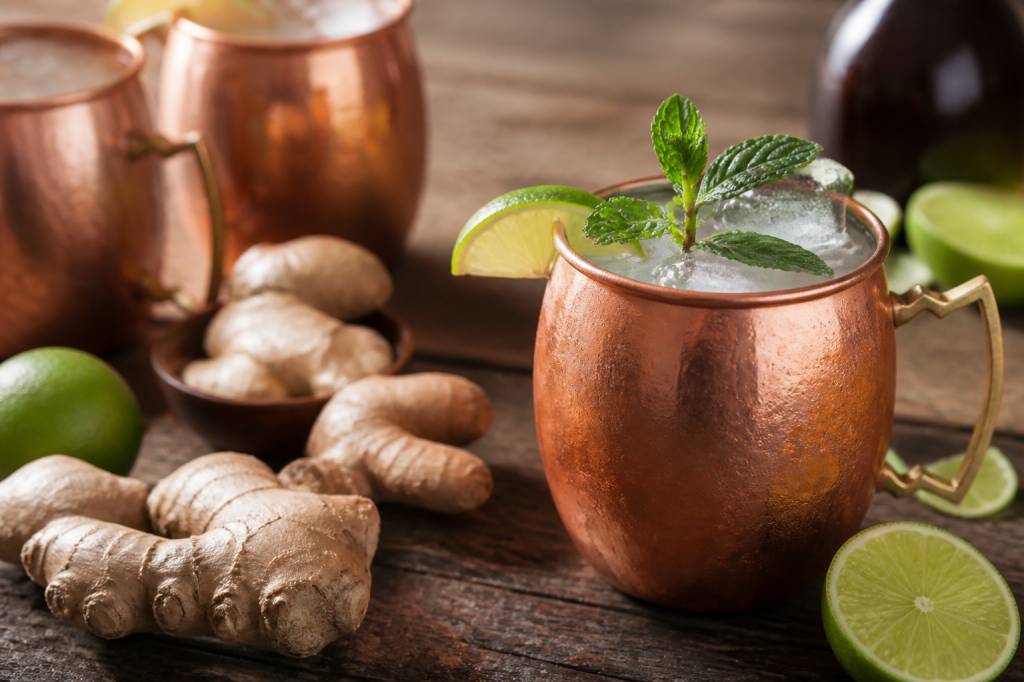
Why ginger beer cocktails work so well
Ginger beer is one of those ingredients that looks simple on paper and then quietly does most of the heavy lifting in the glass. It brings sweetness, sharp ginger heat, citrus-friendly acidity, and a lively carbonation that lifts heavier spirits without flattening them. In practical terms, that means ginger beer cocktails are easier to build than many classic drinks: the mixer adds structure, aroma, and refreshment at the same time.
There is also a useful technical reason bartenders love it. Ginger beer has enough flavor intensity to stand up to dark spirits like rum, whiskey, and brandy, but it is still bright enough to work with vodka, tequila, gin, and even low-ABV spritz-style drinks. If you have ever tasted a cocktail that felt “good but a bit thin,” ginger beer is often the missing bridge between the base spirit and the finishing garnish.
One important note: ginger beer is not the same as ginger ale. Ginger ale is usually lighter, sweeter, and softer in spice. Ginger beer is more assertive, often less sugary, and much more expressive. That difference matters when you want a cocktail with actual personality. Why use a shy mixer when you want a drink with a backbone?
What flavor profiles to expect
Not all ginger beers taste the same, and that is a feature, not a problem. Some are crisp and lemony, others are earthy and spicy, while a few lean into molasses, caramel, or tropical fruit notes. Choosing the right one is less about brand loyalty and more about matching the bottle to the drink you want to build.
Here are the main profiles you will encounter:
-
Dry and spicy: Ideal for cocktails where you want a firm ginger bite and less sugar.
-
Sweet and mellow: Works well in casual highballs and crowd-pleasing party drinks.
-
Citrus-forward: A smart choice for rum, vodka, and tequila cocktails.
-
Heavy spice and heat: Best with strong spirits and winter-style recipes.
-
Artisanal and complex: Often more expensive, but excellent when the ginger beer is meant to be the star rather than just the mixer.
If you are testing a new brand, taste it on its own first. A ginger beer that seems too aggressive in a glass by itself may actually be perfect in a cocktail with citrus or sweet vermouth. On the other hand, a very sweet bottle can disappear once mixed. That is why blind confidence is great in meetings but less useful in mixology.
Classic ginger beer cocktails worth knowing
Some drinks became classics for a reason: they are easy to make, easy to remember, and hard to ruin. Ginger beer is central to several of the most reliable cocktails on the menu.
Moscow Mule
The Moscow Mule is probably the best-known ginger beer cocktail. Built with vodka, lime juice, and ginger beer, it is clean, sharp, and refreshing. The vodka gives structure without dominating, while lime keeps the drink bright.
-
50 ml vodka
-
15 ml fresh lime juice
-
120–150 ml ginger beer
-
Ice and a lime wedge to finish
Method: Fill a glass or copper mug with ice, add vodka and lime juice, top with ginger beer, then stir gently. Do not shake the ginger beer unless you enjoy unnecessary cleaning.
Dark and Stormy
This one is built for rum lovers. Traditionally made with dark rum and ginger beer, it is deeper, richer, and slightly more brooding than the Mule. The molasses notes from the rum pair beautifully with spicy ginger.
-
60 ml dark rum
-
120 ml ginger beer
-
10–15 ml lime juice, optional but recommended
Use a tall glass with plenty of ice. If your rum is very sweet, choose a drier ginger beer to balance it.
Gin Buck
Gin and ginger beer may not get the same attention as the Mule, but they make a remarkably elegant combination. The botanicals in gin and the ginger spice create a more aromatic profile, especially if you add lemon instead of lime.
-
45 ml gin
-
15 ml lemon juice
-
120 ml ginger beer
This is a good example of how a small change in citrus can shift the whole drink. Lemon makes it a bit more herbal and high-toned; lime pushes it toward sharper freshness.
Whiskey Ginger
Sometimes the simplest drinks are the most satisfying. Whiskey and ginger beer create a warm, rounded highball that is ideal for casual evenings or as an introduction for people who find straight whiskey too intense.
-
50 ml bourbon or rye whiskey
-
120–150 ml ginger beer
-
Optional: 10 ml lemon juice or a dash of bitters
Rye gives more spice; bourbon gives more sweetness and vanilla. Either way, ginger beer keeps the drink lively rather than heavy.
Recipe ideas beyond the classics
If you want to move past the standard highballs, ginger beer offers a wide range of possibilities. The trick is to think in contrasts: sweet with sour, spice with herbs, richness with acidity. That is where ginger beer really starts to behave like a bartender’s tool rather than a simple mixer.
Spiced pineapple rum cooler
Combine 45 ml aged rum, 45 ml pineapple juice, 15 ml lime juice, and top with ginger beer. This version adds tropical fruit and a soft sweetness that works well for summer gatherings. A small pinch of sea salt can make the pineapple taste brighter, which is one of those tiny technical tricks that sounds odd until it works.
Tequila ginger highball
Mix 45 ml blanco tequila, 15 ml grapefruit juice, 10 ml lime juice, and ginger beer. The result is somewhere between a Paloma and a Mule, with agave freshness and a clean bitter-citrus edge. If you like drinks that feel crisp rather than sugary, this is a strong option.
Apple ginger bourbon smash
Shake 45 ml bourbon with 30 ml apple juice, 10 ml lemon juice, and strain over ice before topping with ginger beer. This is an easy autumn recipe that plays nicely with cinnamon garnish or a thin apple slice. The apple adds roundness while the ginger keeps the drink from drifting into dessert territory.
Cucumber ginger gin spritz
Muddle a few cucumber slices lightly, add 40 ml gin and 10 ml lime juice, then top with ginger beer. The cucumber softens the spice and gives the drink a fresher, greener profile. This is especially useful when serving a warm-weather crowd that wants something lighter than a classic sour.
How to match ginger beer with spirits
Choosing the right spirit is less about rules and more about balance. Ginger beer can support some spirits and overpower others if the proportions are not carefully handled. A good pairing should make both components more interesting.
-
Vodka: Best when you want ginger beer to stay in the spotlight. Vodka adds texture without adding strong competing flavors.
-
Rum: Excellent with ginger beer because caramel and spice complement each other naturally.
-
Gin: Great for botanical complexity, especially with lemon, cucumber, or elderflower.
-
Tequila: Works well with citrus-forward ginger beers and grapefruit accents.
-
Whiskey: Ideal for deeper, more warming drinks, especially in cooler months.
-
Brandy or cognac: Less common, but very effective with drier ginger beer and orange peel.
A practical rule: the sweeter the spirit, the drier the ginger beer should be. The more neutral the spirit, the more expressive your mixer can be. If both are sweet, the drink can become sticky rather than refreshing. No one ever said, “I was hoping this cocktail would feel heavier.”
Serving ideas that make a real difference
The way you serve a ginger beer cocktail changes the experience more than many home bartenders realize. Temperature, ice, glassware, and garnish all influence aroma, texture, and perceived sweetness.
Use plenty of ice. Ginger beer cocktails are built to stay cold and fizzy. Large ice cubes or a full glass of ice help slow dilution and preserve carbonation.
Choose the right glass. Highballs, Collins glasses, and copper mugs are popular because they support carbonation and offer enough room for garnish. Short glasses can work for stronger, spirit-forward versions, but tall glasses are more forgiving.
Garnish with purpose. A lime wheel, lemon peel, mint sprig, candied ginger, or thin slice of cucumber can reinforce the flavor profile rather than just decorate the rim. If the garnish does not add aroma or visual clarity, it is probably just costume jewelry.
Mind the pour order. Add ice first, then spirits and juices, then ginger beer last. Stir gently once or twice to combine without killing the bubbles.
Pairing ginger beer cocktails with food
Because ginger beer combines sweetness, spice, and acidity, it is surprisingly versatile with food. It can cut through fat, complement grilled flavors, and refresh the palate after salty or spicy dishes.
-
With fried food: Try a dry ginger beer Mule with fried chicken, tempura, or fritters. The carbonation and acidity reset the palate.
-
With grilled meats: Dark rum or whiskey ginger cocktails pair well with barbecue, ribs, and charred vegetables.
-
With seafood: Gin or vodka-based ginger beer drinks work nicely with shrimp, ceviche, or sushi.
-
With spicy dishes: Ginger beer softens chili heat while preserving freshness, especially with Thai or Latin-inspired plates.
If you are hosting a dinner, ginger beer cocktails can be a smart alternative to wine because they are flexible across several courses. Just keep the sweetness in check, or the pairing can veer from “elegant match” to “dessert wearing a blazer.”
Non-alcoholic versions that still feel like a real drink
One of ginger beer’s strengths is that it can create a satisfying alcohol-free cocktail without feeling like a compromise. This matters for guests who want something complex, not just sweet soda in a fancier glass.
Try this simple template:
-
90 ml ginger beer
-
30 ml fresh citrus juice, such as lime, lemon, or grapefruit
-
20 ml cucumber juice, pineapple juice, or apple juice for extra body
-
Fresh herbs or a strip of citrus peel for aroma
A mock Mule, made with lime and mint, is one of the easiest crowd-pleasers. For more depth, add a few drops of bitters if your guest prefers a “grown-up” profile; just check whether the bitters are alcohol-based if you are aiming for a strict non-alcoholic serve.
Practical tips for better results at home
Good ginger beer cocktails are not difficult, but a few small habits improve them dramatically.
-
Chill everything: Cold ingredients preserve fizz and keep the drink crisp.
-
Taste your ginger beer first: Brands vary a lot in sweetness and spice.
-
Use fresh citrus: Bottled juice often tastes flat and can make the cocktail feel dull.
-
Do not over-stir: Enough to combine, not enough to flatten the carbonation.
-
Adjust sweetness last: Add syrup only if the ginger beer is very dry and the rest of the recipe needs softening.
If you want to build your own recipe, a reliable formula is: spirit + citrus + ginger beer + ice + garnish. From there, you can layer in fruit, herbs, bitters, or spice. Keep the structure simple first; complexity should feel deliberate, not accidental.
Final thoughts for mixing with confidence
Ginger beer deserves a permanent place in a home bar because it is both versatile and forgiving. It can make a simple two-ingredient highball feel polished, or it can anchor a more ambitious cocktail with fruit, herbs, and layered spice. That flexibility is what makes it such a useful tool for anyone interested in flavor balance, not just alcohol content.
If you start with a few reliable combinations, then experiment with citrus, herbs, and different spirits, you will quickly see how far ginger beer can go. It is one of the rare mixers that works just as well in a casual weeknight drink as it does in a thoughtfully built cocktail for guests. And once you learn how different bottles behave, you stop “adding ginger beer” and start actually designing drinks.
That is usually the point where home mixing becomes fun. And, ideally, delicious.