


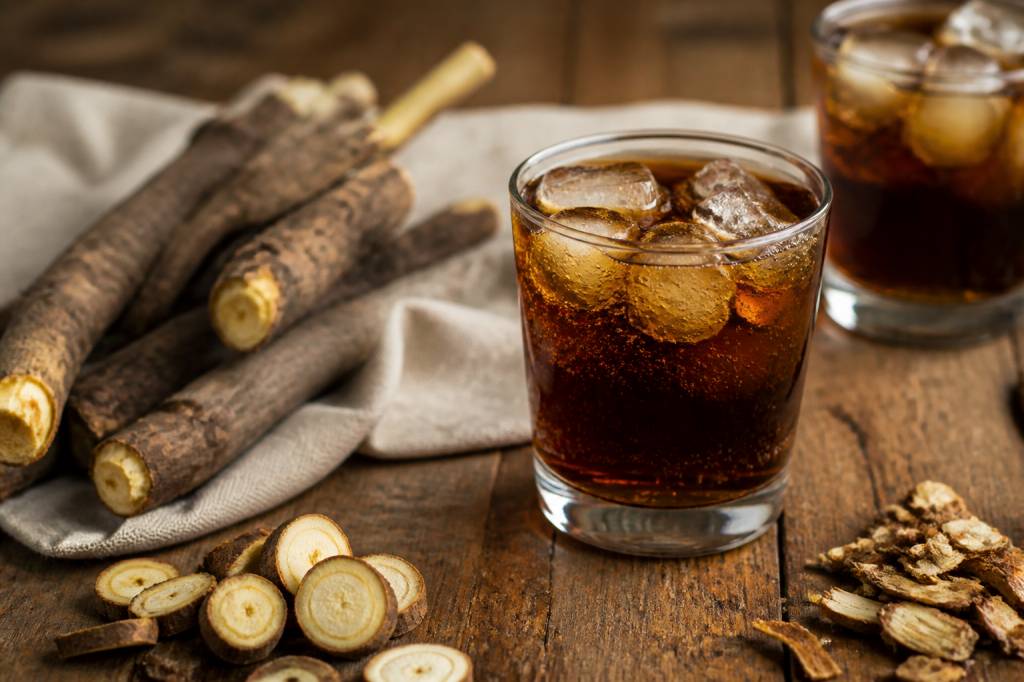
If you’ve ever scanned a soda menu or a craft beverage shelf and paused at the word sarsaparilla, you’re not alone. It sounds old-fashioned, slightly mysterious, and maybe even a bit medicinal. And if you already know ginger beer, the comparison becomes even more interesting: both drinks live somewhere between soft drink, botanical infusion, and nostalgic comfort beverage. But they are not the same thing.
So what exactly is sarsaparilla soda, and how does it differ from ginger beer? The short answer: sarsaparilla soda is traditionally flavored with roots, bark, and spices inspired by the sarsaparilla plant, while ginger beer is built around ginger as the dominant flavor. The long answer is much more useful, especially if you care about flavor, fermentation, ingredients, or how these drinks behave in cocktails.
What is sarsaparilla soda?
Sarsaparilla soda is a carbonated soft drink flavored to evoke the taste profile of sarsaparilla root, historically derived from plants in the Smilax genus. In the modern beverage world, though, the flavor is usually a blend of botanicals, sweeteners, and spices rather than an extract from the original plant alone.
The drink has deep roots in 19th-century pharmacy culture. Like root beer, it emerged from the tradition of “tonic” beverages sold as refreshing, restorative, or even medicinal. Over time, the medicinal claims faded, but the flavor profile remained. Today, sarsaparilla soda is mainly appreciated for its distinctive taste: earthy, mildly spicy, slightly woody, and often sweet with a vanilla-like finish.
In many markets, sarsaparilla is considered close cousin territory to root beer, though the two are not identical. Root beer often leans more heavily into wintergreen, licorice, sassafras-style notes, and creamy sweetness. Sarsaparilla can feel drier, more botanical, and sometimes more “rooty” in a restrained, old-school way.
What does sarsaparilla taste like?
Flavor descriptions can get fuzzy quickly, so here is the practical version. If ginger beer has a bright, peppery, warming kick, sarsaparilla tends to sit in the opposite direction: darker, rounder, and more earthy.
Typical flavor notes include:
- earthy root tones
- light vanilla sweetness
- subtle spice, such as cinnamon or clove
- woodsy or bark-like aromatics
- gentle caramel or molasses character in some recipes
The result is a soda that tastes nostalgic even if you’ve never had it before. That is part of its appeal. It often feels like something from an old soda fountain, a frontier general store, or a vintage diner where the menu includes drinks with names that sound like they should come with a history lesson.
What is ginger beer?
Ginger beer is a carbonated beverage centered on ginger. Traditionally, it was fermented, producing natural carbonation and a more complex profile than a standard soda. Today, you’ll find both fermented ginger beers and non-alcoholic commercial versions that are carbonated with added sugar, yeast, or forced carbonation.
Its defining characteristic is ginger’s pungent, spicy heat. Depending on the recipe, ginger beer can range from mild and sweet to aggressively fiery. A good one should taste unmistakably of ginger first, with citrus, sweetness, and spice acting as support rather than distraction.
For mixology, ginger beer is a workhorse. It anchors drinks like the Moscow Mule, Dark ’n Stormy, and countless modern highballs. Its lively spice gives cocktails structure, while its sweetness helps balance acidity and spirits.
The core difference: ingredient identity
The simplest way to separate the two is to look at their main flavor identity:
- Sarsaparilla soda is built around rooty, earthy, botanical notes inspired by sarsaparilla and related flavor traditions.
- Ginger beer is built around ginger, which brings heat, sharpness, and aromatic brightness.
This difference matters more than it first seems. Ginger is a volatile, expressive ingredient. Even in a sweet drink, it feels active on the palate. Sarsaparilla, by contrast, is more grounded and rounded. It tends to read as smoother, darker, and less aggressive.
If ginger beer is a lively conversation, sarsaparilla is a low, confident voice at the back of the room.
How they are made
Historically, both drinks were linked to the broader tradition of botanical tonics and homebrewed refreshers. But their production methods have evolved differently.
Traditional ginger beer began as a fermented beverage made from ginger, sugar, water, and a microbial starter such as a ginger bug or yeast. Fermentation could produce a small amount of alcohol, often low enough to remain under commercial soft-drink thresholds in modern versions. Today, many brands use non-fermented methods to keep production consistent and shelf-stable.
Sarsaparilla soda is usually a flavored carbonated soft drink rather than a fermented beverage. It is typically made with a soda base, sweeteners, and a flavor blend designed to mimic the herbal, woody qualities of the original botanical drink. Most modern versions are not fermented at all.
That difference affects texture and complexity. Fermentation can create subtle esters, tang, and depth. A soda made purely by flavoring a carbonated base will usually taste cleaner and more direct.
How the two compare in the glass
Put them side by side and the contrast becomes obvious. Ginger beer usually delivers a sharper aroma, more palate stimulation, and a spicier finish. Sarsaparilla soda is often smoother, sweeter, and more nostalgic in character.
Here is a quick practical comparison:
- Flavor intensity: ginger beer is usually more assertive
- Heat: ginger beer brings more natural spice and warmth
- Earthiness: sarsaparilla is typically more earthy and root-like
- Sweetness: sarsaparilla often tastes sweeter and rounder
- Cocktail impact: ginger beer changes a drink more dramatically
- Nostalgia factor: both have it, but in different registers
If you’re tasting commercially available bottles, the line can blur because producers vary widely. Some ginger beers are mild enough to resemble soft ginger sodas. Some sarsaparillas are heavily sweetened and almost cola-like. Still, the dominant ingredient profile usually gives them away quickly.
Is sarsaparilla the same as root beer?
This is one of the most common points of confusion. The answer is no, though there is overlap.
Root beer is a broader category of flavored soft drinks built on a complex mix of roots, barks, herbs, and spices. Sarsaparilla is one historical flavor thread within that family. In practice, modern sarsaparilla often tastes like a leaner, less creamy, more botanical version of root beer.
Think of it this way:
- root beer is the family reunion
- sarsaparilla is the relative who shows up in a vintage jacket and knows the old stories
That said, commercial naming can be inconsistent. Some brands label a drink sarsaparilla because of tradition or marketing even if the recipe resembles root beer more closely than a historical sarsaparilla drink would.
Nutrition and sugar content: what to watch for
From a nutrition standpoint, neither drink should be mistaken for a health beverage just because it contains botanical flavors. The classic medicinal aura around these drinks is mostly historical branding.
What matters in practice is the sugar level, caffeine content if any, and ingredient list. Many bottled versions of both drinks are heavily sweetened, though sugar-free or reduced-sugar options do exist.
Points to check on the label:
- total sugars per bottle or can
- presence of added syrups or sweeteners
- natural flavor blends versus real ginger extract or root extracts
- any preservatives or acidity regulators
- alcohol content, if the beverage is fermented
Ginger itself has a long history of use in digestion and culinary medicine, but the amount found in commercial ginger beer varies too much to assume meaningful nutritional benefits. Sarsaparilla’s reputation as a tonic is mostly historical, not a modern nutritional claim.
Which one is better for cocktails?
That depends on the drink you want to build.
Choose ginger beer if you want:
- sharp spice and lively carbonation
- a strong mixer for rum, vodka, tequila, or whisky
- brightness in citrus-based cocktails
- a drink that can stand up to bold spirits
Choose sarsaparilla soda if you want:
- a smoother, more nostalgic profile
- notes that pair well with vanilla, caramel, or dark spirits
- a softer highball with less spice
- a retro twist for bourbon or rum drinks
In practice, ginger beer is the more versatile bar staple. It has enough acidity and spice to brighten a cocktail without disappearing. Sarsaparilla is more of a specialty ingredient. It shines when you want an intentionally vintage or dessert-like profile.
For example, a dark rum and sarsaparilla highball can feel like a soft-spoken cousin of a cola drink, while a ginger beer mule-style cocktail will hit with much more lift and bite. If you swapped the two in the same recipe without adjusting anything else, the balance would change significantly.
How to taste them like a pro
If you want to compare sarsaparilla soda and ginger beer properly, don’t just sip randomly from two cold bottles and call it research. A simple tasting method gives much clearer results.
Try this:
- serve both drinks well chilled, but not ice-cold to the point of muting aroma
- pour each into a clear glass
- smell first before tasting
- take a small sip and let it coat the tongue
- note sweetness, spice, aftertaste, and carbonation texture
- compare the finish after swallowing
You’ll usually notice that ginger beer creates a more immediate reaction at the front of the palate, while sarsaparilla unfolds more slowly and lingers in a mellow, rooty way.
When to choose one over the other
If you’re shopping for a drink to enjoy on its own, your choice depends on what you want from the experience.
Pick ginger beer if you like:
- spicy, fresh, and zesty flavors
- a beverage that wakes up the palate
- a mixer with culinary flexibility
Pick sarsaparilla soda if you like:
- soft, earthy, old-fashioned flavors
- less heat and more roundness
- a drink that feels like a throwback
Neither is universally “better.” They simply serve different sensory jobs. Ginger beer is a bright engine. Sarsaparilla is a mood.
Why sarsaparilla still matters
In a market crowded with citrus sodas, colas, and hyper-sweet flavored drinks, sarsaparilla offers something different: a less familiar botanical profile that rewards curiosity. It may not be as widely used as ginger beer, but it has a strong identity and a loyal following among fans of vintage beverages, craft soda, and old-school flavor traditions.
That matters in modern mixology and beverage culture. Consumers increasingly want drinks with a story, a distinct ingredient profile, and some connection to heritage. Sarsaparilla checks all three boxes, even if its heritage is partly reconstructed through flavor rather than a single authentic formula.
And ginger beer? It remains one of the most important mixers in the contemporary bar world because it bridges refreshment and spice so well. Its popularity is not an accident. It solves balance problems in cocktails with remarkable efficiency.
The bottom line for drink lovers
Sarsaparilla soda and ginger beer may share a place in the world of carbonated botanical drinks, but they are built on very different flavor foundations. Sarsaparilla is earthy, smooth, and nostalgic, with roots in old tonic traditions. Ginger beer is spicy, bright, and assertive, with ginger at the center of its identity.
If you want a clean rule of thumb, use this:
- Choose ginger beer for heat, lift, and cocktail structure.
- Choose sarsaparilla soda for mellow rooty depth and vintage character.
Understanding the difference helps you pick the right drink for the right moment, whether you’re stocking a home bar, exploring craft sodas, or simply trying something new at the grocery store. And if you find yourself staring at a bottle wondering whether it belongs in a Moscow Mule or beside a scoop of vanilla ice cream, you’re already asking the right questions.