



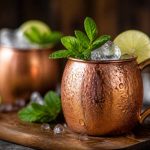

Australia’s soda culture is far more diverse than the familiar image of a cold drink enjoyed beside a barbecue. From fiery ginger beer and herbal lemon drinks to brightly coloured “soft drinks” served in corner shops, Australian sodas reflect the country’s climate, migration history, native ingredients and talent for turning simple refreshments into memorable rituals.
Some flavours are immediately recognisable: lemon, lime, orange, cola and ginger. Others are distinctly Australian, shaped by ingredients such as lemon myrtle, wattleseed and native raspberry. What connects them is a practical national preference for beverages that are cold, aromatic and easy to share—especially when the thermometer is climbing.
What makes an Australian soda?
In Australia, the term “soft drink” is more common than “soda”. The category includes carbonated beverages that may be sweetened with sugar, glucose syrup or non-nutritive sweeteners. They range from global brands to independent bottlers producing small batches with local botanicals.
The country’s soda identity has developed through several influences:
- A warm climate: Refreshment is not an occasional luxury. In many regions, a chilled drink is part of daily life.
- British traditions: Cordials, ginger beverages and lemonade arrived with early settlers and became staples of Australian households.
- Migration: Italian, Greek, Lebanese, Asian and other communities introduced new flavour preferences and café traditions.
- Indigenous ingredients: Native Australian botanicals now inspire contemporary drinks and premium mixers.
- Local manufacturing: Independent producers often focus on stronger flavours, glass bottles and traditional recipes.
The result is a category that moves comfortably between nostalgic, commercial and experimental. A supermarket shelf may place a classic raspberry drink close to a sophisticated tonic flavoured with native finger lime. Both belong to the same broad culture of Australian refreshment.
Ginger beer: Australia’s most distinctive classic
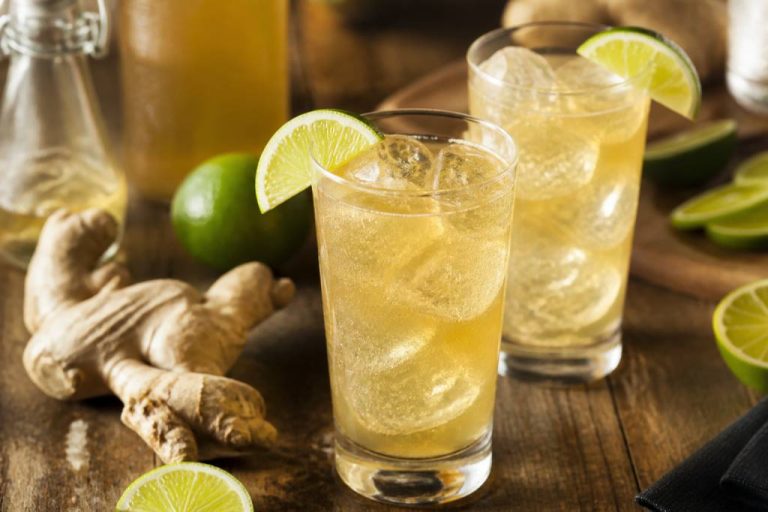
Few Australian soft drinks have as much cultural presence as ginger beer. It is traditionally associated with a strong ginger aroma, lively carbonation and a balance between sweetness, acidity and spice. Unlike ginger ale, which is usually lighter and more delicate, ginger beer tends to have a more assertive personality.
Historically, ginger beer was produced through fermentation. A “ginger beer plant”—a culture of microorganisms used to ferment sugar, ginger and water—could create natural carbonation. Modern commercial versions are often carbonated mechanically, but the name and flavour profile remain firmly established.
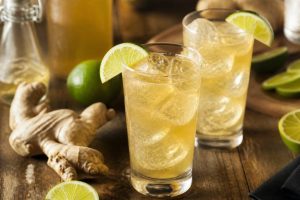
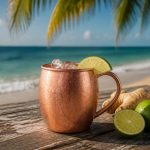
Australian ginger beer is frequently enjoyed on its own, poured over ice or paired with food. It also performs exceptionally well in mixology. Its heat and acidity can give structure to a highball, while its sweetness helps soften spirits such as dark rum, bourbon or whisky.
For a simple long drink, try this tested-style combination:
- 50 ml dark rum
- 15 ml fresh lime juice
- 120 ml chilled ginger beer
- Two dashes of aromatic bitters
- Plenty of ice and a lime wedge
Build the drink in a tall glass, stir gently and taste before adding more lime. A ginger beer with high natural spice may need less bitters; a sweeter commercial style can handle a slightly more generous pour of citrus.
Lemonade and lemon squash: simple, but rarely boring
Australian lemonade is generally clear, sweet and highly carbonated, with a bright citrus profile. It is often served at family gatherings, sporting events and informal celebrations. Lemon squash occupies a similar space, although the exact difference between the two can vary by producer and region.
The appeal is obvious: lemon delivers acidity and freshness, while sugar moderates the sharpness. Carbonation lifts the aroma and creates a cooling sensation on the palate. This is basic beverage science, but it explains why lemon soft drinks remain effective in hot weather.
Lemonade is also a useful mixing ingredient. It can lengthen fruit-forward cocktails, add sparkle to iced tea or create a quick non-alcoholic spritz. For a more balanced version at home, combine chilled soda water with fresh lemon juice and a small amount of simple syrup. The homemade drink will be less intensely flavoured than a commercial product, but it allows precise control over sweetness.
One useful ratio is:
- 30 ml fresh lemon juice
- 15 ml simple syrup
- 150 ml soda water
- Ice and a lemon wheel
Adjust the syrup according to the acidity of the lemons. Fruit is not a standardised ingredient, and one lemon can taste dramatically sharper than another.
Raspberry, passionfruit and the colour of nostalgia
Brightly coloured raspberry soft drinks are closely associated with Australian childhood memories. Their vivid red or pink appearance, sweet berry aroma and intense colour make them instantly recognisable. In many households, raspberry drink is also used in “spiders”: a scoop of vanilla ice cream placed in a glass of soft drink so that foam rises around it.
The combination may sound simple, but it works through contrast. Cold carbonation cuts through the richness of ice cream, while the creamy texture rounds off the sharpness of the drink. The result is part dessert, part beverage and entirely unapologetic.
Passionfruit is another important flavour in Australian drinks. Its tropical acidity gives soft drinks a more complex profile than sugar alone can provide. It also pairs naturally with ginger, lime, mint and coconut. A passionfruit soda can therefore move from children’s refreshment to cocktail mixer without requiring a complete change in character.
For an adult, alcohol-free version, combine passionfruit pulp, lime juice, crushed ice and sparkling water. If using bottled passionfruit syrup, start with a modest amount: these products can be significantly sweeter than fresh fruit.
Bundaberg and the rise of regional identity
Australian beverage culture is not defined only by national corporations. Regional producers have helped turn soft drinks into expressions of place. Bundaberg, in Queensland, is particularly associated with ginger beer and other fruit-based beverages. The brand’s presence has helped introduce Australian-style ginger drinks to international consumers while maintaining a strong connection to its local origins.
This regional identity matters because it changes how people perceive a soft drink. A bottle can represent more than a flavour formula. It can suggest a particular town, agricultural area or production tradition. The label, bottle design and serving ritual all contribute to that impression.
Independent Australian producers are now extending this idea through small-batch sodas and premium mixers. Their recipes may use raw sugar, Australian citrus, native herbs or unusual spice combinations. The objective is often not to imitate global cola brands, but to create a drink with a clear sense of origin.
Native Australian ingredients in modern sodas
Contemporary Australian beverage makers are increasingly exploring native ingredients. These flavours require careful handling because many are highly aromatic or unfamiliar to consumers.
- Lemon myrtle: Intensely citrusy, with notes that can resemble lemon zest and lemongrass. It works well in sparkling drinks, but a little goes a long way.
- Finger lime: Known for its small, caviar-like juice vesicles and fresh acidity. It adds visual appeal as well as flavour.
- Davidson plum: Tart, dark-fruited and naturally sharp, making it useful in sweetened beverages.
- Wattleseed: Often associated with roasted, coffee-like and nutty aromas. It is better suited to carefully balanced cola-style or creamy drinks than to very light sodas.
- Strawberry gum: Fragrant and sweet-smelling, with a profile that can suggest strawberry and eucalyptus.
These ingredients are not merely exotic decorations. They can alter a drink’s acidity, bitterness, aroma and finish. A successful formulation respects their intensity rather than adding them indiscriminately. In mixology, the best approach is usually to begin with a small amount, taste, and build gradually.
Australian soda and the café tradition
Australia’s café culture has also influenced the way people consume cold beverages. The modern Australian café is often associated with espresso, but its menu includes sparkling water, house-made sodas, iced teas and creative non-alcoholic drinks.
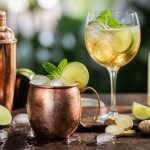
This environment has encouraged more attention to presentation. A soda may arrive in a highball glass with a large ice cube, fresh herbs and a carefully chosen garnish. The drink remains straightforward, but the details communicate quality: clear ice, a clean citrus aroma and carbonation that has not been allowed to disappear before the first sip.
There is a practical lesson here. Carbonated drinks should be assembled as close to serving time as possible. Ice melts, bubbles escape and aromatic garnishes lose their freshness. If you are preparing drinks for guests, chill the ingredients in advance and keep the sparkling component sealed until the last moment.
Sweetness, nutrition and informed choices
Soft drinks are designed for pleasure, not usually as a major source of nutrition. Their sugar content can vary considerably by brand and serving size, so reading the label is more useful than judging a drink by colour or marketing language.
A “natural” flavour does not automatically mean low sugar, and a drink made with fruit juice can still contain a substantial amount of naturally occurring or added sugar. Conversely, reduced-sugar products may use sweeteners that change the mouthfeel or aftertaste.
For everyday hydration, water remains the simplest option. Sodas are better treated as occasional refreshments, meal pairings or ingredients in a deliberate serving ritual. To moderate sweetness without losing character, try these techniques:
- Serve the drink over plenty of ice, but avoid excessive dilution if the flavour is delicate.
- Mix a sweet soda with chilled sparkling water.
- Add fresh citrus to increase perceived freshness.
- Use herbs such as mint, basil or lemon verbena for aroma rather than extra syrup.
- Choose a smaller glass and drink slowly, paying attention to acidity, spice and finish.
Temperature also affects perception. A very cold beverage may seem less sweet and less aromatic than the same drink served slightly warmer. This is one reason a soda can taste balanced directly from the refrigerator but cloying after the ice has melted.
How to taste an Australian soda properly
A structured tasting does not require specialist equipment. Pour the drink into a clean glass and observe three elements: aroma, texture and finish.
- Aroma: Is the first impression citrusy, spicy, fruity, herbal or caramel-like?
- Texture: Is the carbonation fine and persistent, or large and aggressive?
- Balance: Does sweetness support the flavour, or dominate it?
- Finish: Does ginger linger warmly? Does citrus remain fresh? Is there bitterness or artificial sweetness?
Compare two versions side by side at the same temperature. The differences become clearer when both drinks are tasted from identical glasses. This approach is particularly useful for choosing a ginger beer for cocktails: a sweet, mild version may suit a rum punch, while a drier and spicier one can stand up to whisky.
A modern Australian soda ritual
The most interesting Australian sodas combine familiarity with a sense of place. They may begin with classic lemonade, ginger beer or raspberry, then introduce native botanicals, regional fruit or a more restrained level of sweetness. This balance explains their appeal: the flavour is accessible, but the details reward attention.
Next time you open a bottle of Australian soft drink, consider serving it with the same care you would give a well-made cocktail. Chill the glass, preserve the carbonation, choose an appropriate garnish and taste before adding anything else. A simple soda can reveal plenty about climate, history, agriculture and changing ideas of refreshment.
And if the day happens to be hot, there is no need to overthink the first sip. Pour it over ice, add a slice of lime and let the bubbles do their work.