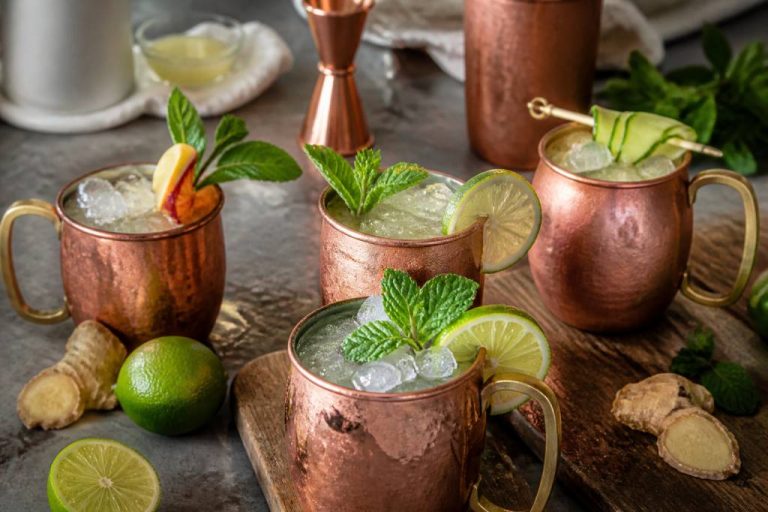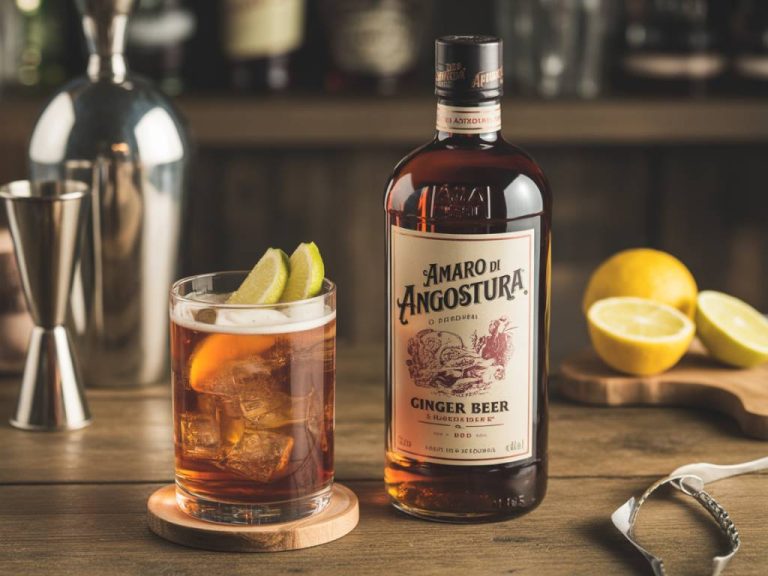


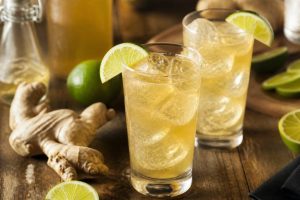



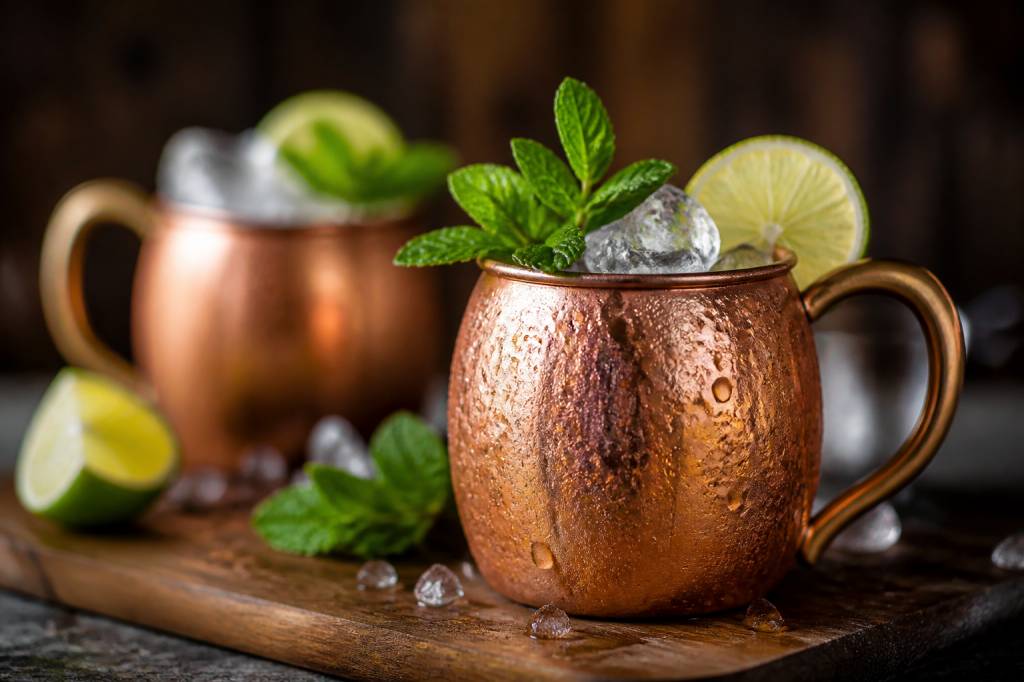
The Moscow Mule is one of the most recognizable ginger beer cocktails in the world: bright, spicy, refreshing and traditionally served in a distinctive copper mug. Yet the drink is more than a simple combination of vodka, lime and ginger beer. Its structure is remarkably adaptable, which explains why bartenders continue to reinterpret it with tequila, bourbon, rum, fruit, herbs and even non-alcoholic spirits.
What makes a good Moscow Mule work? The answer lies in balance. Ginger beer brings sweetness, acidity comes from fresh lime juice, and the base spirit provides body and warmth. Change one element and the entire personality of the cocktail shifts.
This guide explores the classic Moscow Mule, compares popular variations and provides practical recipes for building reliable ginger beer cocktails at home.
The classic Moscow Mule formula
The original-style Moscow Mule is deliberately uncomplicated. Its standard ingredients are:
- 50 ml vodka
- 15 ml fresh lime juice
- 100 to 150 ml ginger beer
- Ice
- A lime wedge for garnish
To prepare it, fill a copper mug with ice, add the vodka and lime juice, then top with chilled ginger beer. Stir gently to combine without flattening the carbonation. Garnish with a lime wedge and serve immediately.
The proportions are not fixed in stone. A sweeter ginger beer may require slightly more lime, while a particularly spicy brand can be softened with a larger pour of vodka or a little extra ice. The aim is not to follow a rigid formula but to preserve three sensations: citrus brightness, ginger heat and a clean alcoholic finish.
Why ginger beer matters
Ginger beer is the defining ingredient in a Moscow Mule. It is not simply a fizzy mixer with a ginger flavour added at the end. Depending on the brand and production method, it may contain fresh ginger juice, ginger extract, spices, citrus oils, sugar and natural fermentation notes.
These differences have a direct effect on the cocktail:
- Spicy ginger beer: creates a lively, warming Mule with a long finish.
- Sweet ginger beer: produces a rounder and softer drink, but may need additional lime.
- Dry ginger beer: allows the vodka or alternative spirit to remain more prominent.
- Citrusy ginger beer: emphasizes freshness and works well with herbal garnishes.
- Highly carbonated ginger beer: gives the cocktail a sharper, more refreshing texture.
For the most precise result, taste the ginger beer before mixing. It is difficult to correct an unbalanced cocktail if you do not know whether the mixer is sweet, spicy or acidic to begin with. This small step takes seconds and often improves the final drink more than an elaborate garnish.
The role of the copper mug
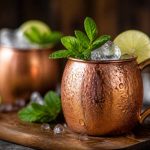
The copper mug is strongly associated with the Moscow Mule, but it does not create the flavour of the drink. Its main contribution is sensory and practical: copper conducts temperature efficiently, helping the mug feel exceptionally cold in the hand and during the first sips.
A chilled metal mug can also make the drink seem more refreshing, particularly when it is filled generously with ice. However, the mug should be clean, undamaged and properly lined if required by local food-safety regulations. Copper should not be in prolonged contact with acidic liquids unless the vessel is designed for that purpose.
No copper mug? Use a highball glass or a rocks glass. The cocktail will still be a Moscow Mule in spirit, even if it loses some of its visual theatre. After all, the ginger beer does the heavy lifting.
How to build a better Moscow Mule
A few technical details can make a noticeable difference.
- Use fresh lime juice: bottled juice is often flatter and more bitter because of processing and storage.
- Chill the ingredients: cold ginger beer reduces the need for excessive dilution.
- Choose solid ice: large cubes melt more slowly, while crushed ice gives rapid chilling but adds water faster.
- Measure the lime: too much acidity can overpower the ginger and make the drink taste thin.
- Add ginger beer last: this preserves carbonation and allows you to control the final volume.
- Stir carefully: one or two gentle turns are enough.
A useful tasting sequence is to sample the drink after mixing, then again after two or three minutes. The first sip shows the initial balance; the second reveals how dilution and warming change the flavours. If the cocktail becomes noticeably sweeter or flatter, use colder ingredients and less melting ice next time.
Kentucky Mule: bourbon brings depth
Replace vodka with bourbon and the Moscow Mule becomes a Kentucky Mule. Bourbon contributes vanilla, caramel, oak and a mild sweetness that pairs naturally with ginger.
Recipe:
- 50 ml bourbon
- 15 ml fresh lime juice
- 100 to 120 ml ginger beer
- Ice
- Mint or a lime wedge
Build the drink in an ice-filled mug and stir gently. A medium-spiced ginger beer works particularly well here. Very hot ginger beer can compete with the bourbon’s peppery alcohol, while an overly sweet mixer may make the drink heavy.
This version is especially effective in cooler weather. The ginger provides warmth, but the lime keeps the bourbon from becoming too rich.
Mexican Mule: tequila and ginger in sharper contrast
A Mexican Mule uses tequila, usually a blanco expression. The result is more herbal, peppery and mineral than the vodka original.
Recipe:
- 50 ml blanco tequila
- 15 ml fresh lime juice
- 100 to 150 ml ginger beer
- Ice
- A lime wheel or thin slice of jalapeño
Blanco tequila is the clearest choice when you want a bright, energetic cocktail. Reposado tequila creates a rounder version with notes of oak and cooked agave. If using reposado, select a ginger beer with moderate sweetness so the drink remains fresh.
For a more savoury variation, add a small pinch of salt or use a half-salt rim. The salt can intensify the citrus and soften the perception of bitterness, but use restraint: the drink should not taste like a tequila highball with a salt shaker problem.
Dark ’n’ Stormy-inspired Mule
Dark rum offers molasses, caramel and dried-fruit flavours, creating a richer ginger beer cocktail. Technically, the classic Dark ’n’ Stormy has its own identity and traditionally uses dark rum with ginger beer. A Mule-style preparation with lime sits comfortably in the same family while adding extra citrus definition.
Recipe:
- 50 ml dark rum
- 10 to 15 ml fresh lime juice
- 100 ml ginger beer
- Ice
- Lime wedge and a small piece of fresh ginger
Choose a dry or moderately sweet ginger beer. Dark rum already brings considerable richness, so an intensely sugary mixer can hide the spice and make the finish feel sticky. A few drops of aromatic bitters can add complexity, particularly when using a lighter dark rum.
Gin Mule: botanical freshness
Gin transforms the Mule into a more aromatic drink. Juniper, citrus peel, coriander and floral botanicals interact with the ginger’s heat in different ways, making the choice of gin important.
Recipe:
- 45 to 50 ml London dry gin
- 15 ml fresh lime juice
- 100 to 120 ml ginger beer
- Ice
- Fresh mint, cucumber or a lime wheel
A classic London dry gin gives structure and pine-like freshness. A citrus-forward gin makes the drink lighter, while a floral gin can produce a softer, more perfumed result. Avoid pairing a very botanical gin with an aggressively spicy ginger beer unless you enjoy a cocktail with plenty of attitude.
Cucumber and mint are useful garnishes because they add aroma without introducing much sweetness. Gently slap the mint between your hands before placing it in the mug; this releases aroma without shredding the leaves into the drink.
Fruity Moscow Mule variations
Fruit works well in a Mule because ginger and lime provide enough intensity to support fresh flavours. The key is to use fruit as an accent rather than turning the drink into a sugary punch.
Raspberry Mule: muddle four to six fresh raspberries with the lime juice, then add vodka, ice and ginger beer. Strain first if you prefer a cleaner texture.
Peach Mule: add 20 ml of unsweetened peach purée or a small amount of peach nectar. Reduce the ginger beer slightly if the fruit mixture is sweet.
Pineapple Mule: combine 30 ml of pineapple juice with 50 ml of vodka or white rum. Fresh lime is essential because pineapple can make the drink taste broad and sweet.
Apple Mule: use 30 ml of cloudy apple juice with bourbon or vodka. A pinch of cinnamon or a thin apple slice makes an effective seasonal garnish.
When working with fruit, taste before adding extra syrup. Ginger beer already contains sugar, and fruit juices vary widely in sweetness. In most cases, lime is the better adjustment.
Herbal, spicy and savoury upgrades
Creative Mules do not need to rely on fruit. Herbs, spices and savoury ingredients can add complexity while keeping the drink relatively dry.
- Basil Mule: gently muddle two basil leaves with lime juice, then add vodka and ginger beer.
- Rosemary Mule: briefly clap a rosemary sprig between your palms and use it as a garnish with gin or bourbon.
- Jalapeño Mule: infuse the vodka with one or two thin jalapeño slices for five to ten minutes, then strain.
- Ginger-and-turmeric Mule: add a small amount of fresh turmeric juice or turmeric syrup, balancing it with extra lime.
- Black pepper Mule: add one or two lightly crushed peppercorns for a dry, aromatic finish.
Fresh ginger can also be used, but it should be handled carefully. Grated ginger adds powerful heat and can create a fibrous texture. A small piece of ginger muddled with lime, followed by fine straining, offers more control.
Low-alcohol and alcohol-free options
The Moscow Mule format is naturally suited to lighter drinks because ginger beer and lime provide much of the flavour and volume. For a lower-alcohol version, use 25 ml of vodka, gin or tequila and increase the ginger beer slightly.
For an alcohol-free Mule, combine:
- 15 ml fresh lime juice
- 10 ml ginger syrup, optional
- 120 to 150 ml non-alcoholic ginger beer
- A splash of chilled soda water, if needed
- Ice and a lime wedge
Non-alcoholic spirits can add herbal or peppery notes, but they are not essential. A well-made ginger beer, fresh lime and a fragrant garnish can create a satisfying drink without imitating alcohol too aggressively.
Check the label of the ginger beer if you are avoiding alcohol completely. Most commercial products are alcohol-free, but traditionally fermented drinks can contain small residual amounts.
A practical flavour-matching guide
When choosing a base spirit, consider the character of the ginger beer first:
- Hot and spicy ginger beer: pair with vodka, blanco tequila or a light rum.
- Sweet ginger beer: pair with bourbon, reposado tequila or dry gin.
- Dry ginger beer: pair with dark rum, rye whiskey or a botanical gin.
- Citrus-led ginger beer: pair with vodka, gin or white rum.
- Strongly fermented ginger beer: pair with aged spirits that can match its complexity.
Think of the cocktail as a three-part system: the spirit supplies structure, lime supplies tension and ginger beer supplies length, sweetness and carbonation. If one component dominates, adjust the other two rather than adding random ingredients.
Serving ideas for gatherings
Mules are excellent for entertaining because the spirit and lime can be prepared in advance, while the ginger beer is added just before serving. For six drinks, combine 300 ml of spirit with 90 ml of fresh lime juice and keep the mixture chilled. Pour 65 ml of the base into each ice-filled mug, top with ginger beer and stir gently.
Do not premix the ginger beer hours ahead of time. Carbonation will fade, and the drinks will taste flat. Prepare garnishes in advance, but cut limes as close to serving as possible to preserve their aroma and juice quality.
Offer two or three styles rather than an overwhelming menu: a classic vodka Mule, a bourbon-based variation and a fruit or alcohol-free option. This gives guests a clear comparison and lets the ginger beer remain the common thread.
Final tasting checklist
Before serving any Moscow Mule variation, ask four quick questions:
- Is the drink cold enough?
- Can you taste fresh lime without excessive sourness?
- Does the ginger beer provide spice as well as sweetness?
- Is the base spirit present but integrated?
If the answer to all four is yes, the cocktail is ready. Whether served in copper, glass or a well-chilled camping cup, a good Mule should feel lively from the first sip: citrus at the front, ginger through the middle and a clean, refreshing finish. That simple architecture is precisely why the Moscow Mule continues to invite experimentation.