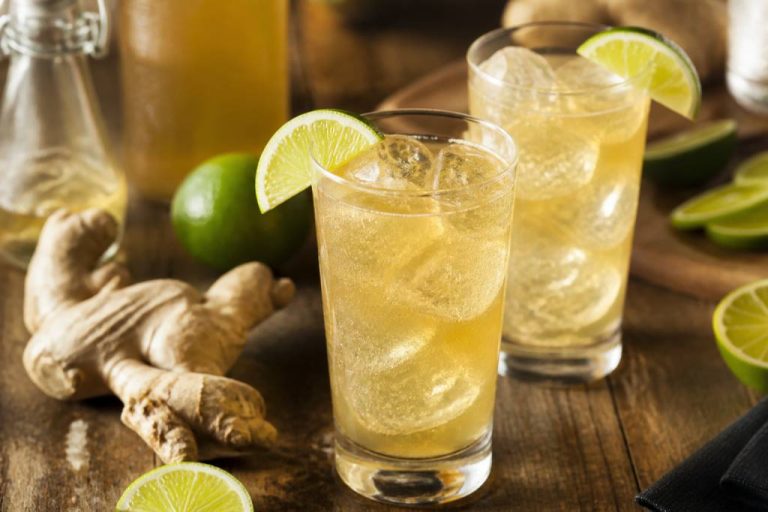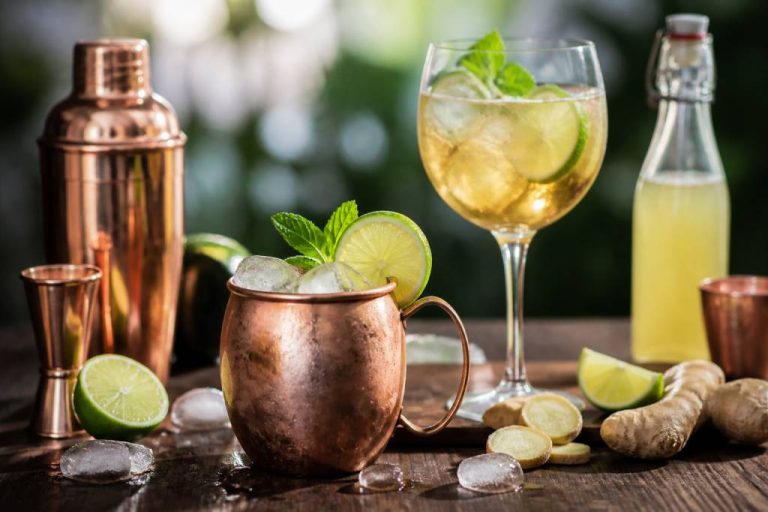




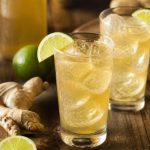

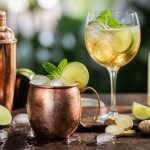

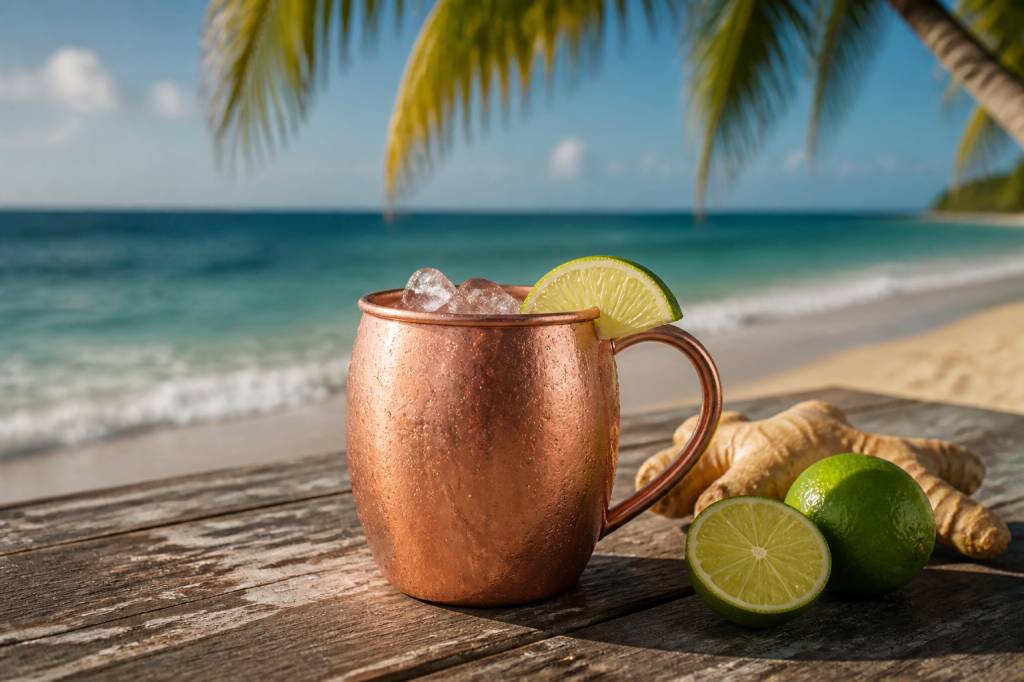
The Caribbean Mule is what happens when a classic Moscow Mule takes a short, delicious holiday in the tropics. Vodka remains an option, but the real character comes from ginger beer, fresh lime, and a carefully chosen combination of Caribbean-inspired flavors: pineapple, passion fruit, coconut, rum, or a touch of allspice.
This is not simply a sweeter version of a traditional mule. The best Caribbean Mule balances four elements: the heat of ginger, the acidity of lime, the aroma of rum, and the ripe fruitiness associated with tropical cocktails. Served cold over plenty of ice, it is refreshing enough for a sunny afternoon and structured enough to hold its own at an evening gathering.
What makes a Caribbean Mule different?
The Moscow Mule traditionally combines vodka, lime juice, and ginger beer. Its appeal lies in contrast: neutral alcohol allows the ginger and citrus to take the lead, while carbonation lifts the entire drink.
A Caribbean Mule keeps this refreshing framework but introduces ingredients with more aromatic depth. Dark or aged rum can replace vodka, adding notes of molasses, vanilla, toasted wood, and dried fruit. Pineapple juice brings acidity and tropical sweetness, while passion fruit contributes a sharper, more fragrant edge. Some versions use coconut water for a lighter profile; others add bitters or allspice dram for complexity.
The result should still taste like a mule. Ginger beer must remain identifiable. If pineapple, coconut, or rum completely dominates, the drink becomes a generic tropical punch with bubbles. That may be pleasant, but it is no longer a well-balanced Caribbean Mule.
The essential ingredients
A reliable recipe starts with a short list of ingredients. Each one has a specific role, and small changes can significantly affect the final balance.
- Ginger beer: Choose a naturally spicy, well-carbonated ginger beer. A sweeter brand works well with dry rum, while a drier or hotter ginger beer is better suited to fruit-forward recipes.
- Rum: A lightly aged or golden rum provides structure without overwhelming the fruit. White rum creates a cleaner, brighter drink; dark rum gives a richer, more dessert-like impression.
- Fresh lime juice: Freshly squeezed lime is essential. Bottled juice often lacks the lively aroma and clean acidity needed to balance pineapple and rum.
- Pineapple juice: Use unsweetened juice when possible. This gives you greater control over the sugar level and allows the ginger’s heat to remain noticeable.
- Passion fruit or passion fruit syrup: This is optional, but a small amount adds floral acidity and a distinctive tropical aroma.
- Ice: Large cubes melt more slowly and keep the drink colder without diluting it too quickly.
- Garnish: A lime wedge, pineapple leaf, mint sprig, or thin slice of fresh ginger can reinforce the drink’s aromas.
A balanced Caribbean Mule recipe
This version serves one and is designed to be refreshing rather than excessively sweet. It uses aged rum and pineapple, with passion fruit as an optional accent.
- 50 ml aged or golden rum
- 25 ml fresh lime juice
- 45 ml unsweetened pineapple juice
- 10 ml passion fruit syrup, optional
- 90 to 120 ml chilled ginger beer
- 2 dashes aromatic bitters, optional
- Plenty of ice
- Lime wedge, pineapple leaf, or mint for garnish
Method:
- Chill a mule mug or highball glass for a few minutes, or fill it with ice while preparing the ingredients.
- Add the rum, lime juice, pineapple juice, passion fruit syrup, and bitters to the glass.
- Fill the glass with ice and stir gently for approximately ten seconds.
- Top with cold ginger beer, pouring slowly to preserve the carbonation.
- Give the drink one brief lift from the bottom with a bar spoon. Avoid vigorous stirring, which releases the bubbles.
- Garnish with a lime wedge and a pineapple leaf or mint sprig.
The first sip should deliver ginger and lime immediately, followed by rum and tropical fruit. If the drink tastes flat, it probably needs more acidity or colder ingredients. If it tastes harsh, allow the ice to dilute it for another minute before adjusting the recipe.
Choosing the right ginger beer
Ginger beer is the backbone of this cocktail, so its style matters. Not all ginger beers offer the same level of heat, sweetness, or carbonation.
A spicy ginger beer works particularly well with pineapple because the fruit softens the heat without erasing it. This combination creates a useful sensory contrast: the initial impression is bright and juicy, followed by a warm ginger finish.
If you prefer a gentler cocktail, select a mild ginger beer and reduce the passion fruit syrup. Sweet ginger beer combined with sweet pineapple and sweet syrup can quickly produce a heavy drink. In that case, add an extra 5 ml of lime juice or use a drier rum to restore balance.
For an especially aromatic version, try a ginger beer that contains fresh ginger juice, lime, or spices such as chili and turmeric. These ingredients can add depth, but check the label before adding bitters or syrups. A complex ginger beer may already provide all the seasoning the drink needs.
Rum styles and their effect on flavor
Rum is not a single flavor category. The choice of rum changes the personality of the Caribbean Mule more than many drinkers expect.
- White rum: Light, clean, and often slightly grassy. It keeps the cocktail crisp and lets the ginger beer lead.
- Gold or lightly aged rum: More rounded, with notes of vanilla, caramel, and dried fruit. This is the most versatile choice for the recipe above.
- Dark rum: Richer and heavier, with molasses and roasted flavors. Use it when pairing the cocktail with grilled foods or desserts.
- Overproof rum: Highly concentrated and powerful. It can be used in a small float, but it is not necessary for a balanced everyday drink.
- Spiced rum: Convenient and aromatic, although some brands are strongly sweetened. Reduce or remove the passion fruit syrup if using one.
A useful technique is to mix two rums. Combine 35 ml of white rum with 15 ml of aged rum for a drink that remains bright while gaining additional depth. This approach is particularly effective when the ginger beer is spicy and the pineapple juice is restrained.
Why lime is more than a garnish
Lime juice does not merely add a sour note. Its acidity changes the way we perceive sweetness, alcohol, and spice. Pineapple juice contains natural sugars, while ginger beer often includes added sugar. Without enough lime, the cocktail may taste soft or syrupy.
The ideal amount depends on the ingredients. Start with 25 ml of fresh lime juice for every 50 ml of rum. If your pineapple juice is very sweet, increase the lime slightly. If you are using a particularly tart passion fruit syrup, keep the lime at the lower end.
For maximum aroma, express the oils from a lime peel over the surface of the drink before dropping it into the glass. The volatile citrus oils reach the nose before the liquid reaches the palate, making the cocktail seem fresher without adding extra sugar or juice.
Three variations worth trying
Coconut Caribbean Mule
Replace half of the pineapple juice with unsweetened coconut water. The result is lighter, less acidic, and particularly refreshing in warm weather. Use white rum and a spicy ginger beer to prevent the coconut water from making the cocktail feel too delicate.
- 45 ml white rum
- 20 ml fresh lime juice
- 30 ml pineapple juice
- 30 ml coconut water
- 100 ml ginger beer
A small pinch of salt can sharpen the fruit flavors, especially if the drink is served with grilled seafood or spicy food. Add only a few grains; the goal is to enhance the drink, not make it taste salty.
Passion Fruit and Ginger Mule
For a more aromatic and tangy version, use fresh passion fruit pulp instead of syrup. Cut one passion fruit in half and scoop the pulp into the glass before adding the other ingredients. Its seeds provide visual appeal and a pleasant textural contrast.
Because fresh passion fruit is naturally tart, reduce the lime juice to approximately 15 or 20 ml. This variation pairs well with a lightly aged rum and a moderately sweet ginger beer.
Spiced Caribbean Mule
Add two dashes of aromatic bitters and a very small pinch of ground allspice. Allspice has notes of clove, cinnamon, and pepper, making it a natural bridge between rum and ginger.
Do not overdo the spice. Allspice can quickly dominate the drink, particularly when combined with a strongly spiced rum. Start with less than you think you need, stir, taste, and adjust.
How to keep the cocktail refreshing
Temperature and dilution are central to the drinking experience. A Caribbean Mule served lukewarm will taste sweeter and more alcoholic than the same recipe served properly chilled.
- Refrigerate the ginger beer, rum, and juices before mixing.
- Use enough ice to fill the glass rather than adding only two or three cubes.
- Choose large, dense ice cubes when available.
- Add the ginger beer last to preserve carbonation.
- Serve immediately after mixing.
Carbonation also affects perception. Bubbles carry aromas toward the nose and create a sharper sensation on the tongue. This is why a freshly opened bottle of ginger beer usually produces a livelier cocktail than one that has been sitting open in the refrigerator.
Nutrition and responsible serving
The nutritional profile of a Caribbean Mule depends mainly on the rum, fruit juices, syrup, and ginger beer. A typical serving may contain approximately 180 to 260 calories, although recipes with sweetened pineapple juice or generous syrup can be higher. Alcohol contributes a significant portion of the energy, while fruit juices and ginger beer contribute carbohydrates and sugars.
To reduce sweetness without losing flavor, choose unsweetened pineapple juice, use fresh passion fruit, and select a lower-sugar ginger beer. Increasing lime juice by a small amount can also make the drink taste brighter without adding sugar.
Ginger beer should not be confused with a health tonic simply because it contains ginger. Ginger has been studied for digestive comfort and nausea, but the quantities in a cocktail vary considerably, and any potential benefits do not cancel the effects of alcohol or added sugar.
For a non-alcoholic version, replace the rum with 30 ml of chilled coconut water, a splash of verjus, or a non-alcoholic rum alternative. Keep the lime, pineapple, and ginger beer proportions similar, then adjust to taste. A few drops of bitters may contain alcohol, so check the label if a fully alcohol-free drink is required.
Food pairings for a tropical mule
The cocktail’s acidity and ginger heat make it a flexible partner at the table. Its fruit character works with grilled dishes, while the carbonation helps refresh the palate between bites.
- Jerk chicken or jerk vegetables, especially when the seasoning includes allspice and chili
- Grilled shrimp with lime, garlic, and coriander
- Fish tacos with cabbage and a sharp citrus slaw
- Caribbean-style rice and peas
- Fried plantains with a lightly salted dipping sauce
- Fresh mango, pineapple, or passion fruit desserts
With very spicy food, use a slightly sweeter ginger beer and plenty of lime. With rich or fried food, choose a drier version and add aromatic bitters to create more contrast.
Common mistakes to avoid
The most frequent problem is overloading the drink with sweet ingredients. Pineapple juice, coconut syrup, passion fruit syrup, and sweetened ginger beer may sound tropical individually, but together they can hide the rum and make the finish tiring.
Another mistake is using too little ice. A mule needs dilution as well as cooling. When the ingredients are mixed over a generous amount of ice, the water released during the first few minutes integrates the alcohol and softens the ginger’s sharpness.
Finally, do not bury the drink beneath an oversized garnish. A pineapple crown may look festive, but garnish should support the aroma and make the cocktail easier to drink. A lime wedge, a mint sprig, or a thin slice of ginger is often all that is required.
The Caribbean Mule succeeds because it remains recognizable while leaving room for interpretation. Begin with quality ginger beer, fresh lime, and a balanced rum. Then adjust the tropical elements according to the season, the food on the table, and your preferred level of sweetness. The best version is not necessarily the most elaborate one—it is the one in which ginger, citrus, rum, and fruit remain distinct in every sip.