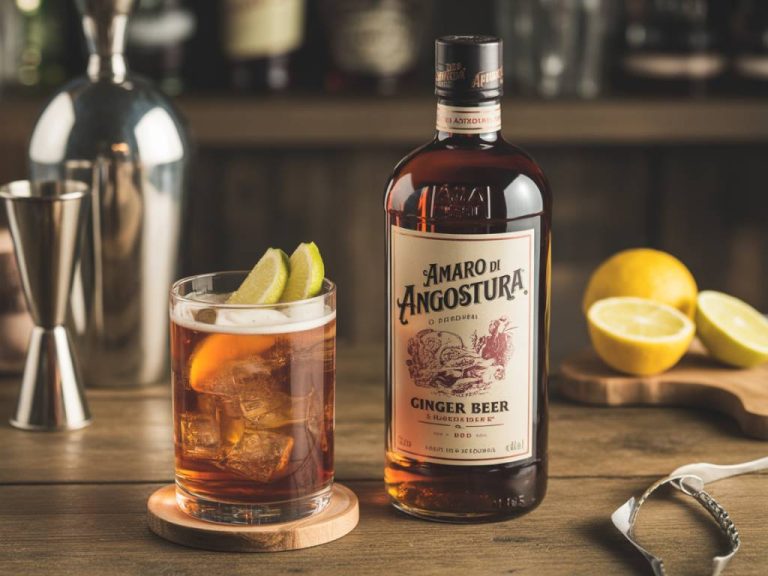







The Moscow Mule is one of the great examples of cocktail simplicity: vodka, ginger beer, lime and plenty of ice. Yet this three-ingredient formula has inspired an impressive family of variations. Change the base spirit, add fresh fruit, introduce herbs or use a spicier ginger beer, and the drink takes on an entirely new personality.
That versatility explains why the Moscow Mule remains a favourite in bars and home kitchens alike. It is refreshing, quick to assemble and remarkably forgiving. The ginger beer provides sweetness, acidity comes from lime, and the spirit adds structure without overwhelming the other flavours.
But which type of Moscow Mule should you try first? Below is a practical guide to the classic recipe and its most useful variations, with proportions, flavour notes and preparation tips.
The classic Moscow Mule: the essential template
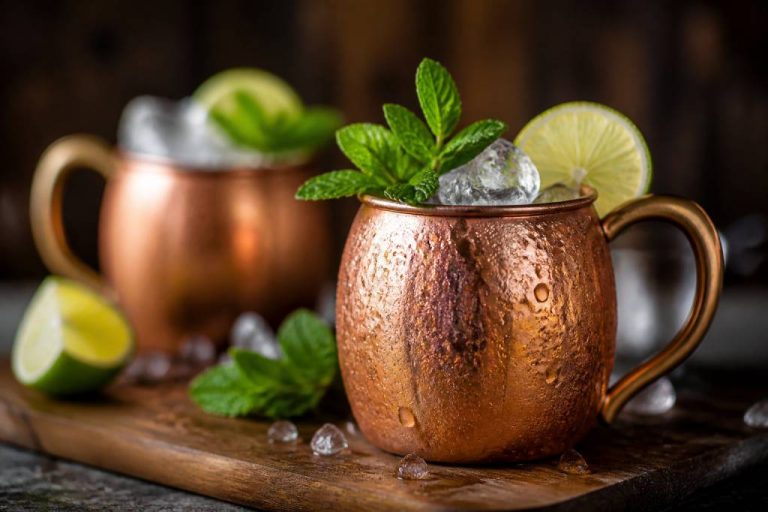
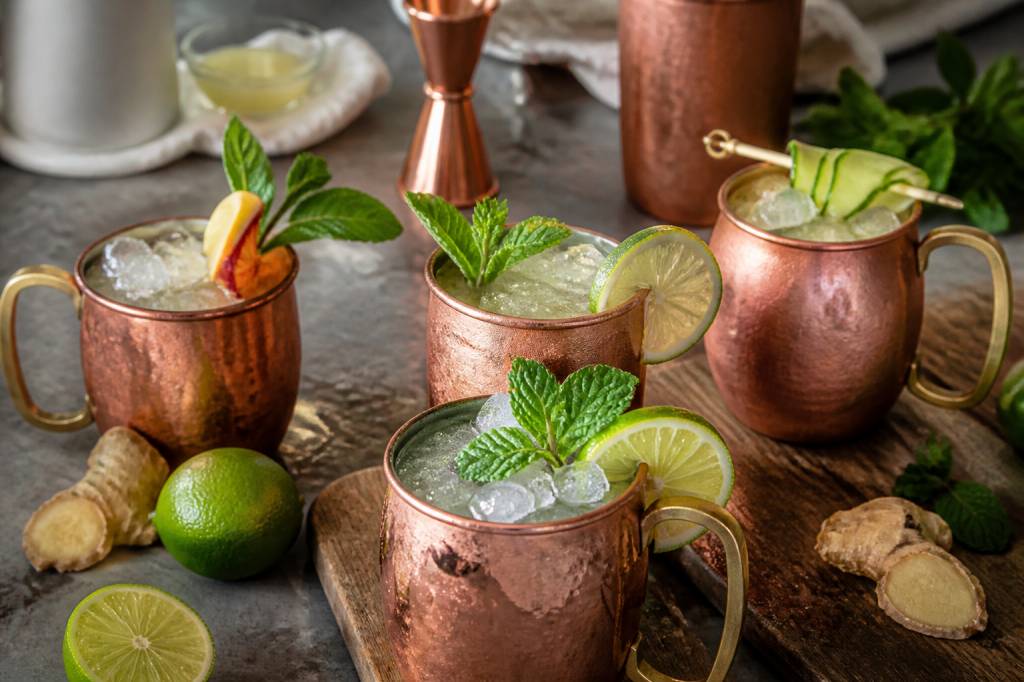
The original Moscow Mule is traditionally made with vodka, ginger beer and fresh lime juice. It is served over ice, often in a copper mug. The mug is part of the drink’s visual identity, although the recipe works perfectly well in a highball glass.
A balanced standard recipe is:
- 50 ml vodka
- 15 ml freshly squeezed lime juice
- 100 to 150 ml ginger beer
- Ice, preferably large cubes
- A lime wedge or wheel for garnish
To prepare it, fill the mug or glass with ice, add the vodka and lime juice, then top with chilled ginger beer. Stir gently once or twice. Excessive stirring releases carbonation and leaves you with a flatter cocktail.
The choice of ginger beer matters. A mild, sweet ginger beer creates an easy-drinking Mule, while a fiery version brings more heat and a longer finish. Since ginger beer is not the same as ginger ale, it usually has a stronger ginger profile and a more complex spice character.
Why ginger beer works so well in a Mule
Ginger beer contributes more than bubbles. Ginger contains aromatic compounds such as gingerols and shogaols, which create its familiar warmth and peppery sensation. In a cocktail, that heat gives vodka a sharper outline and prevents lime juice from tasting excessively sour.
Carbonation also affects perception. The bubbles lift volatile aromas toward the nose and make the drink feel lighter on the palate. This is one reason a Moscow Mule can taste refreshing even when it contains a noticeable amount of sugar.
For a well-balanced result, consider the relationship between all three main ingredients:
- Vodka: provides a clean, neutral base.
- Lime: supplies acidity and freshness.
- Ginger beer: adds sweetness, spice and carbonation.
If the drink tastes too sweet, increase the lime slightly or use a drier ginger beer. If it tastes too sharp, reduce the lime or choose a sweeter, less spicy mixer. Mixology is often less about following a rigid formula than making small, deliberate adjustments.
Kentucky Mule: the bourbon variation
Replace vodka with bourbon and you have a Kentucky Mule. This is one of the most successful variations because bourbon brings vanilla, caramel, oak and toasted spice to the ginger beer’s heat.
Use:
- 50 ml bourbon
- 15 ml fresh lime juice
- 100 to 150 ml ginger beer
- Ice and a lime garnish
The result is richer and warmer than the classic version. A bourbon with moderate oak works especially well; highly oaked or very high-proof bottles can dominate the drink. Choose a bourbon you would be happy to drink on its own, but there is no need to use your most expensive bottle.
A Kentucky Mule is particularly good in cooler weather. Add a thin slice of fresh ginger or a small rosemary sprig for an aromatic accent. The rosemary should remain subtle: its resinous character can quickly compete with the bourbon.
Mexican Mule: tequila, lime and ginger spice
The Mexican Mule uses tequila instead of vodka. Blanco tequila gives the cleanest expression, with pepper, citrus and vegetal notes that complement ginger beer naturally.
A reliable formula includes:
- 50 ml blanco tequila
- 15 ml fresh lime juice
- 100 to 150 ml ginger beer
- Optional: a pinch of chilli or a chilli-salt rim
Look for a 100% agave tequila with a fresh profile. The cocktail should taste lively rather than aggressively alcoholic. If you enjoy heat, muddle a thin jalapeño slice in the glass before adding ice. Start conservatively; chilli intensity builds as the drink sits.
For a fruit-forward version, add 30 ml of pineapple juice. Pineapple softens tequila’s sharper edges and creates a tropical Mule without turning it into a sugary soft drink. A small amount of lime remains essential to keep the drink focused.
Dark ’n’ Stormy-inspired Mule
Dark rum and ginger beer are natural partners. Although the Dark ’n’ Stormy is its own classic cocktail, using dark rum in a Mule-style format creates a deep, molasses-rich drink with notes of caramel, dried fruit and spice.
Try the following proportions:
- 50 ml dark rum
- 10 to 15 ml lime juice
- 100 to 125 ml ginger beer
- Optional: two dashes of aromatic bitters
Dark rum can be sweeter and fuller-bodied than vodka, so slightly less ginger beer may produce a better balance. Two dashes of bitters add complexity, particularly when the rum has vanilla or baking-spice notes.
Serve this variation in a tall glass with a lime wheel. A grated nutmeg garnish can work well, but use only a small amount. The goal is to add aroma, not make the cocktail taste like a dessert.
Gin-Gin Mule: botanical and refreshing
Gin changes the Moscow Mule dramatically. Instead of a neutral base, you get juniper, citrus peel, herbs and sometimes floral notes. The best gin for this drink is usually a bright London Dry or a modern citrus-led gin.
Build it with:
- 50 ml gin
- 15 ml lime juice
- 100 to 150 ml ginger beer
- Optional: mint, cucumber or a grapefruit peel
Mint is a particularly effective addition. Gently clap a few leaves between your hands to release aroma, then place them in the glass. Muddling mint too aggressively can extract bitter vegetal flavours.
If your gin is floral, choose a ginger beer with moderate heat. A very spicy mixer can hide delicate botanicals. Conversely, a bold London Dry can stand up to a stronger ginger beer and a generous squeeze of lime.
Irish Mule: a smooth whiskey alternative
An Irish Mule uses Irish whiskey in place of vodka. It is generally smoother and lighter than the bourbon version, with cereal, honey and soft fruit notes depending on the whiskey.
The basic recipe is simple:
- 50 ml Irish whiskey
- 15 ml lime juice
- 100 to 150 ml ginger beer
- Ice and a lime garnish
This version is a useful introduction to whiskey cocktails for drinkers who find spirit-forward recipes too intense. Ginger beer lengthens the whiskey and adds enough spice to keep the finish lively.
For a more autumnal variation, add 10 ml of apple juice and use a ginger beer with pronounced cinnamon or clove notes. Keep the apple juice restrained. Too much will make the drink soft and indistinct.
Fruit Mules: fresh, colourful and easy to adapt
Fruit is one of the simplest ways to create a creative Moscow Mule. Fresh fruit, purées and unsweetened juices can all work, but each affects the cocktail differently.
Popular combinations include:
- Berry Mule: muddled raspberries or blackberries with vodka and lime.
- Peach Mule: 30 ml peach purée with vodka or bourbon.
- Mango Mule: mango purée, lime and a small amount of chilli.
- Pear Mule: pear juice with gin or Irish whiskey.
- Passion fruit Mule: passion fruit pulp with vodka and extra lime.
When using sweet fruit, reduce the amount of ginger beer slightly or select a drier style. Fruit purée can also make a drink thick, so strain it if you prefer a cleaner texture.
For berries, gently muddle rather than crush them into a paste. You want colour and juice, not a glass full of seeds. A fine strainer can remove solids while preserving the fruit’s aroma.
Herbal and savoury Moscow Mules
Not every Mule needs to be sweet and fruity. Herbs and savoury ingredients add structure, making the drink more suitable for pairing with food.
Try these combinations:
- Basil and cucumber: vodka, lime, cucumber juice, basil and a mild ginger beer.
- Rosemary and grapefruit: gin, grapefruit juice, rosemary and ginger beer.
- Thyme and pear: bourbon or gin, pear juice, lime and thyme.
- Cilantro and jalapeño: tequila, lime, cilantro and a spicy ginger beer.
Fresh herbs are powerful. One small sprig or a few leaves are usually enough for a single serving. If you infuse the spirit in advance, use a short infusion time and taste frequently. Delicate herbs can become bitter or medicinal when over-extracted.
Non-alcoholic Moscow Mule options
A well-made non-alcoholic Mule should not feel like a compromise. The key is to replace the structure normally supplied by vodka. Extra lime provides acidity, while tea, verjus or a botanical alcohol-free spirit can add depth.
For a simple zero-proof version, combine:
- 20 ml fresh lime juice
- 30 ml chilled green tea or alcohol-free botanical spirit
- 100 to 150 ml ginger beer
- Optional: cucumber, mint or a few drops of bitters without alcohol
Cold-brewed black tea brings tannins and a dry finish. Green tea is lighter and more vegetal. If using tea, brew it slightly stronger than you would for drinking on its own, then chill it before mixing.
Keep in mind that ginger beer can contain significant added sugar. Check the label if you are monitoring sugar intake, and choose a lower-sugar option when available. A sharper, spicier ginger beer can make a non-alcoholic Mule feel more complete without relying on sweetness.
Choosing the right ginger beer for each Mule
The mixer should match the base spirit rather than simply fill the glass. Here is a practical guide:
- Vodka: almost any style works, from mild and sweet to fiery.
- Bourbon: choose medium-spicy ginger beer with enough sweetness to support oak and caramel.
- Tequila: a citrusy, spicy ginger beer highlights agave and lime.
- Gin: use a moderate ginger profile so botanical notes remain visible.
- Dark rum: select a bold ginger beer with a dry finish.
- Fruit-based Mules: use a less sweet mixer to avoid a heavy result.
Always chill the ginger beer before serving. Cold liquid retains carbonation more effectively and reduces the need for excessive ice, which can dilute the cocktail too quickly.
Common mistakes when making a Moscow Mule
Even a simple cocktail benefits from a few technical details. The most frequent problems are easy to avoid.
- Using bottled lime juice: it often lacks the brightness of fresh juice and may taste harsh.
- Overfilling with ice: use enough ice to chill the drink, but leave room for ginger beer.
- Stirring too vigorously: gentle mixing preserves carbonation.
- Ignoring sweetness: fruit juices and syrups may require less ginger beer.
- Choosing a weak ginger beer: a bland mixer produces a flat-tasting cocktail, even with good vodka.
There is also no requirement to use a copper mug. Copper conducts temperature efficiently, which helps the drink feel exceptionally cold, but a chilled highball glass is a perfectly sound choice. If you do use a copper vessel, make sure it has an appropriate food-safe lining, particularly when serving acidic drinks such as those containing lime.
A simple tasting experiment
Want to discover which Mule suits your palate? Prepare the same recipe with three ginger beers: mild, medium-spicy and extra fiery. Keep the vodka, lime and ice identical. Taste each version side by side.
Pay attention to four elements:
- Initial sweetness
- Ginger heat on the mid-palate
- Acidity and freshness
- Length and dryness of the finish
This small experiment quickly demonstrates how much influence the mixer has. It also helps you choose the right ginger beer for future cocktails. The classic Moscow Mule may be the starting point, but its real strength lies in its adaptability.
Whether you prefer bourbon, tequila, gin, rum, fruit or no alcohol at all, the formula remains reliable: build contrast between spirit, lime and ginger. Keep the drink cold, preserve the bubbles and adjust sweetness with intention. From there, your ideal Mule is only a few careful pours away.